English
 Français

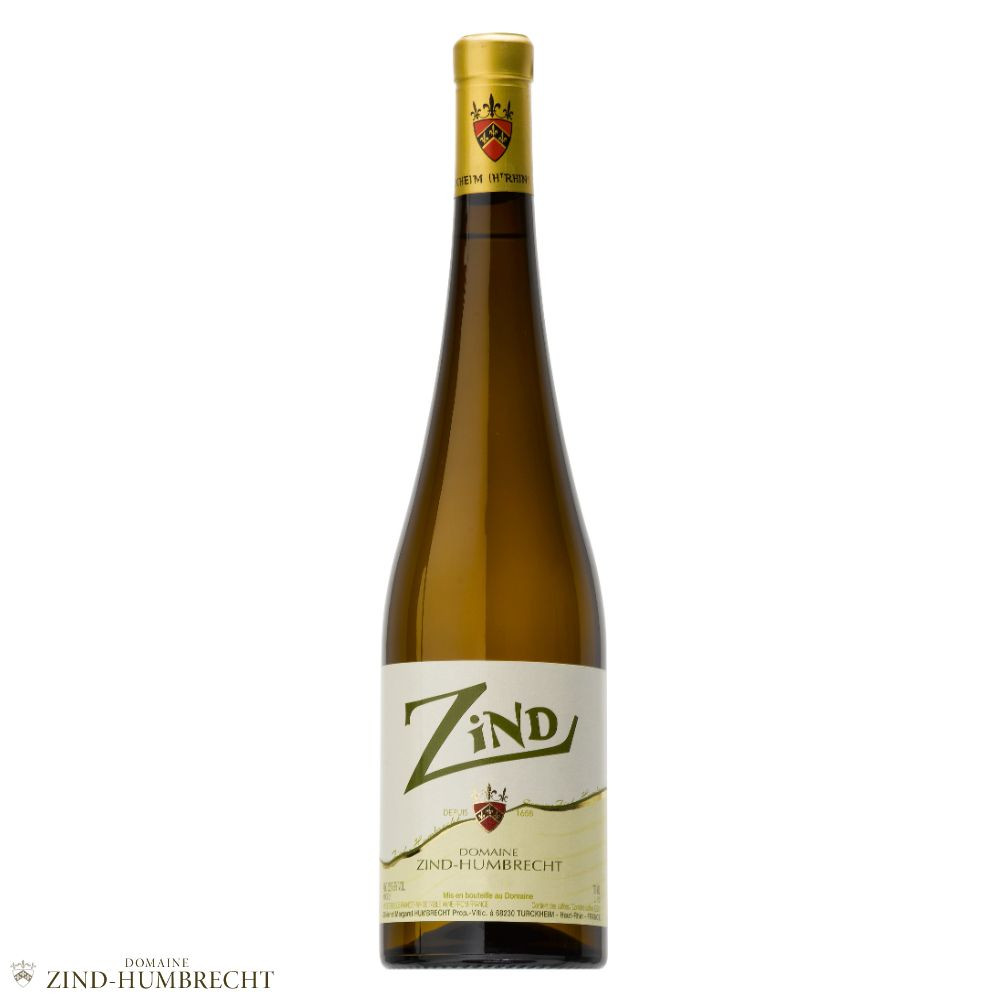
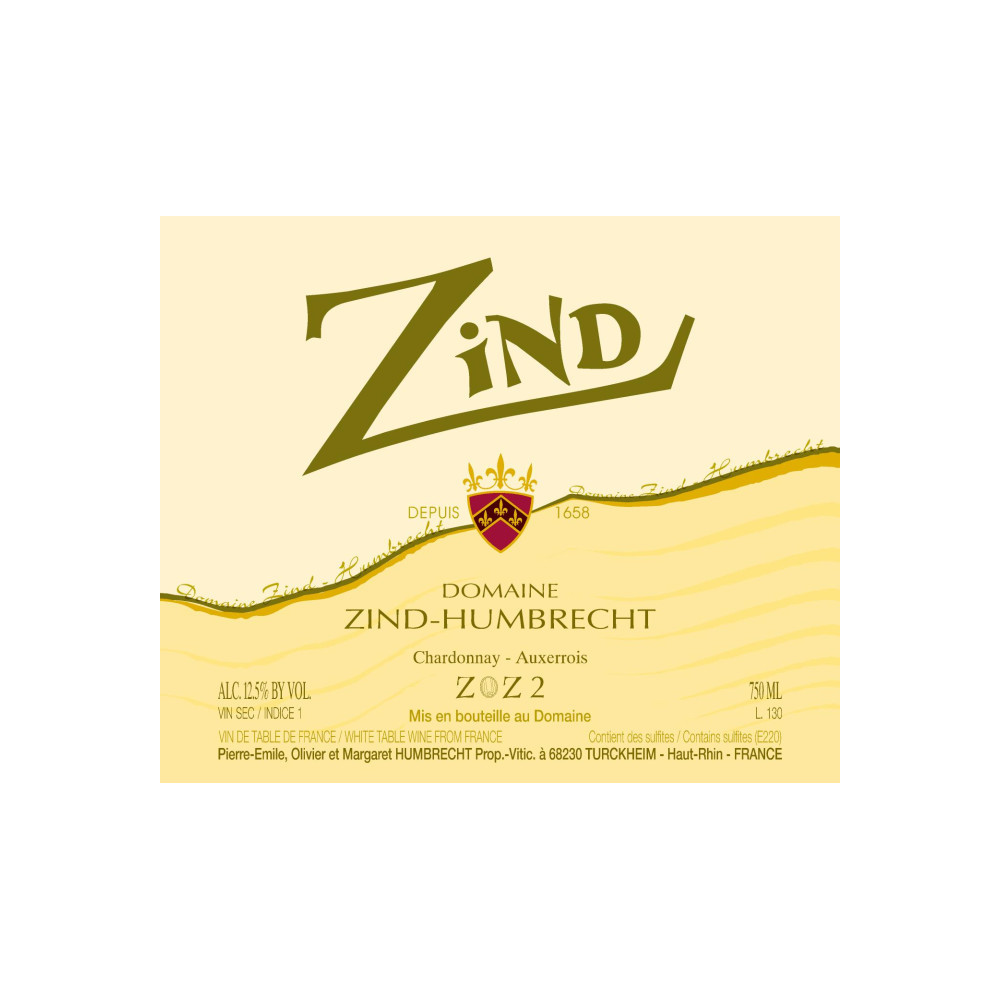
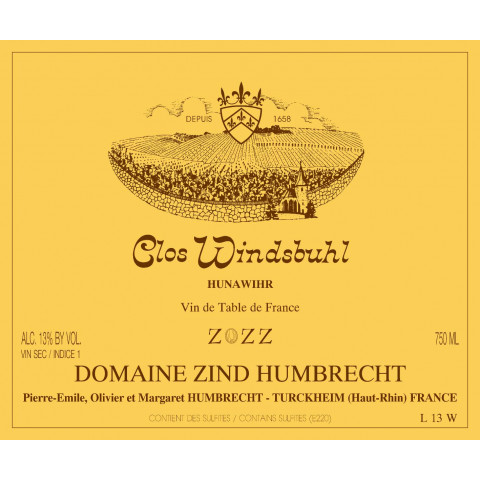
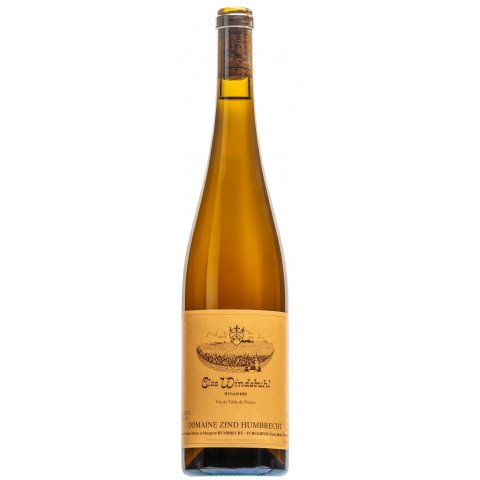
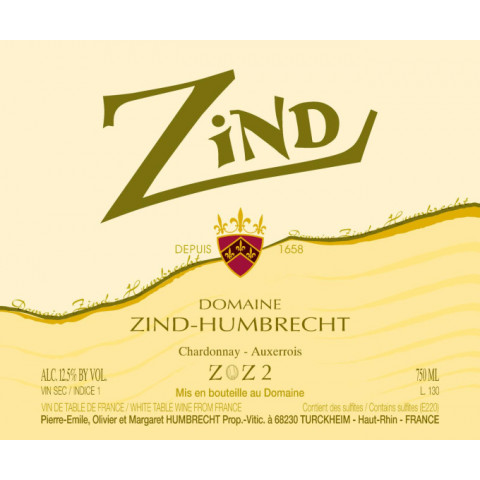
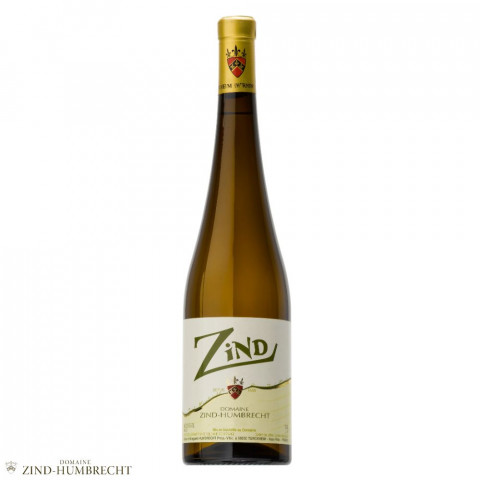
92/100 B+D. A superb wine from Alsace, produced on the illustrious limestone terroir of Windsbuhl, resulting in astonishing freshness and liveliness. One might hesitate to say that it's the entry-level of the domaine!
€31.00 / bouteille
 Everything is in stock
 Advice by phone or by email
 Delivery in continental France 20 €, free for orders over 400 €
PRESENTATION OF DOMAINE ZIND-HUMBRECHT
+ ALL ITS OTHER CUVÉES IN STOCK
Comments on this
Guide Bettane + Desseauve 2026 (Sept. 2025): 92/100.
Tasting comments from the domaine (01/2025): Pale yellow color. The nose is still closed, marked by a brief reduction often found in this terroir during sunny vintages, reminiscent of the toasted notes from whole-cluster fermentation. Aeration or decanting will reveal an aromatic palette of citrus, herbs, and fruits. The palate is both precise and incisive, providing a real pleasure of salivation. The acidity is ripe, sharp without being excessive, and enhances the dry character of the wine. There is also a classic signature of 2023: beautiful structuring bitterness. This Zind 2023 is both delicate and imposing.
Technical sheet written by the domaine
Description: The plots making up this blend were planted in 1989. Chardonnay, exclusively reserved for the AOP Crémant d’Alsace, has taken the place of Pinot Blanc, as the late limestone terroir of Windsbuhl is particularly suited for it. Muschelkalk (Triassic shell limestone) is a rock that easily fractures and allows for a beautiful descent of roots. It is also a limestone poor in clay elements on the Windsbuhl, which explains the brilliant aspect of the wines. In 1989, it was also much easier to find quality plant material for these grape varieties. The proximity of the imposing Vosges forest enhances the freshness of the microclimate of this high-altitude terroir. This explains the beautiful acidity in the wines from this terroir. Vinification is done in oak foudres with aging on lees for 16 months.
Bottling: January 2025
Acquired alcohol: 12.5°
Residual sugar: Less than 0.5 g/l
Total acidity: 3.3 g/l H2SO4 (5 g/l Tartaric)
pH: 3.27
Yield: 57 hl/ha
Optimum tasting: 2026-2038
Average age of vines: 33 years
Terroir: Muschelkalk limestone (Triassic)
Vintage 2023
The winter of 2022/2023 was relatively dry and mild, but fortunately followed by a cool period in March, delaying bud break to early April. This slight delay helped avoid frost problems in early April, as the risk was indeed present. Early spring was normal for the season but with increasingly high temperatures approaching June. Flowering began early in June in the early sectors (Clos Jebsal) and finished mid-June in the late terroirs like Clos Windsbuhl in Hunawihr. June was also characterized by heatwave temperatures during flowering. While this helped avoid disease issues such as downy mildew, it also caused marked coulure phenomena in Riesling, which is rare. The lack of water began to be felt in early July on the gravelly, filtering terroirs of the Fecht river's alluvial cone in Turckheim. However, on the slopes, even granite ones, the vines resisted drought. It is paradoxical to note that while Riesling had poor flowering and indicates a small harvest, the Pinot family—especially Pinot Gris—shows remarkable fertility. Beautiful, sometimes heavy clusters were visible on these grape varieties at veraison in mid-July. August was fortunately cooler with the return of some rains, which were not significant enough for the filtering terroirs. By mid-August, we estimated that we would have an early harvest. Some scattered rains at the end of the month were noted, but again, they were not significant. The soils were very dry just before the harvest, and it was then possible to see that on gravel soils, the berries remained very small and did not gain enough volume, while all the slopes were doing very well. In all terroirs, but mainly around Colmar, the Riesling grape indicated a small harvest, while other grape varieties (especially Pinots) promised a very good harvest. The lack of water delayed technical maturity in sugar, and thus the start of the harvest was much later than initially planned.
In any case, 2023 is marked by physiological maturity reached well before sugar maturity. Obviously, the plots that were too loaded struggled to reach a good level of maturity (especially on Riesling), forcing the winemaker to delay the harvest and expose themselves to significant problems of botrytis and acidity starting mid-September, especially on Pinot Gris. On the domaine, the last Pinot Gris was harvested on September 13, from the Grand Cru Rangen. The Pinot Gris plots that could be harvested before mid-September were in excellent health. Riesling and Gewurztraminer evolved more slowly and remained in good health until the last day of harvest on October 5, 2023, with the Riesling Clos Windsbuhl.
The summer of 2023 is mainly marked by drought and a later technical maturation than physiological maturation. This explains why, with such favorable weather, the wines of 2023 possess delicate balances and are lightly marked by alcohol. Interestingly, the wines of 2023 fermented vigorously and without particular problems, unlike the 2022 vintage, where much intervention was needed in the cellar to restart fermentations. Acidity is normal and particularly ripe. Some Riesling wines and, as always, the Pinot Gris from Clos Windsbuhl, finished their fermentation during the summer of 2024. Except for certain crus in Gewurztraminer, all wines have achieved a dry balance in the 2023 vintage. No Vendange Tardive was produced. The rise in sugar in the grapes was slow, and all grapes had beautiful physiological maturity, giving the wines of 2023 a beautiful aromatic expression and a ripe mouthfeel while having relatively low alcohol levels in many wines. A beautiful phenolic maturity should also ensure good aging potential on the great terroirs.
Data sheet
Specific References
16 other products in the same category:
€45.00 / bouteille
€103.50 / bouteille
€53.00 / bouteille
€31.00 / bouteille
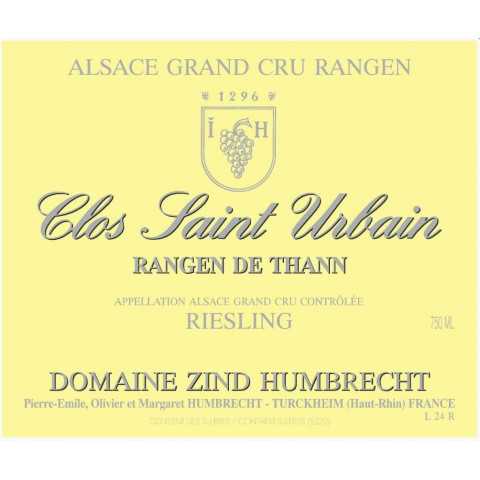
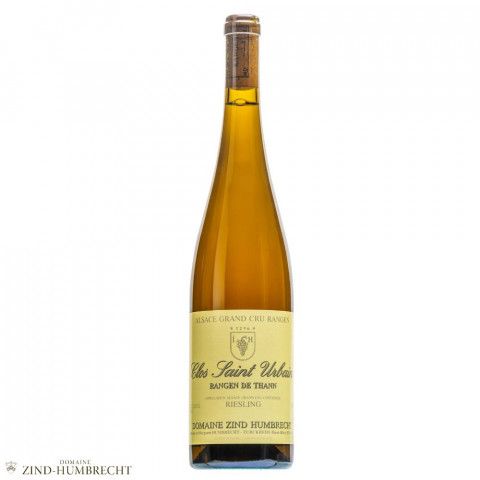
€105.01 / bouteille
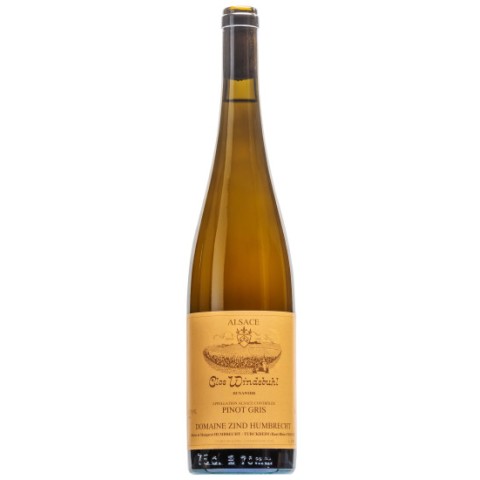
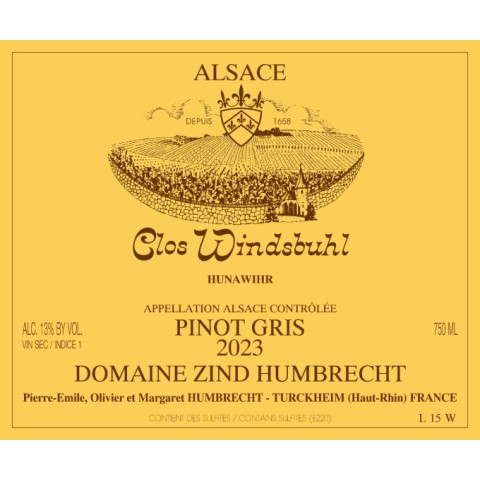
€74.00 / bouteille
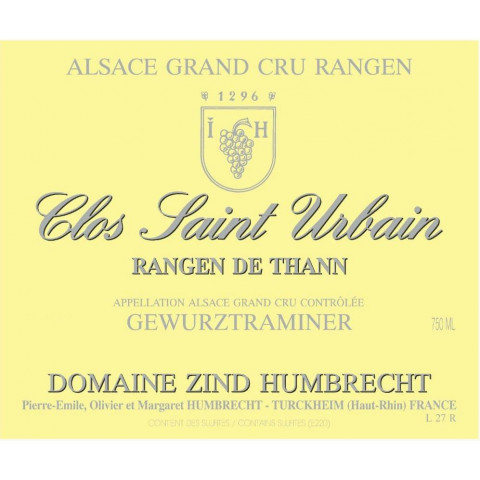
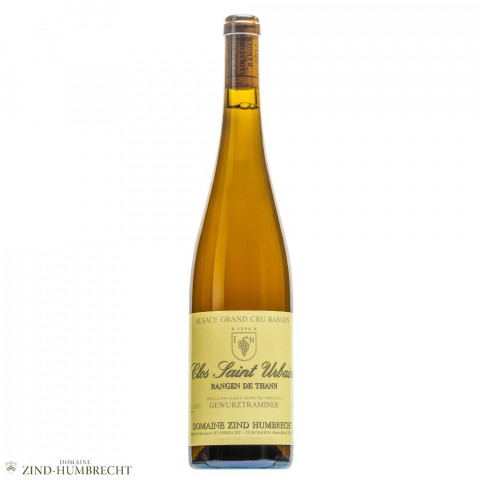
€115.00 / bouteille
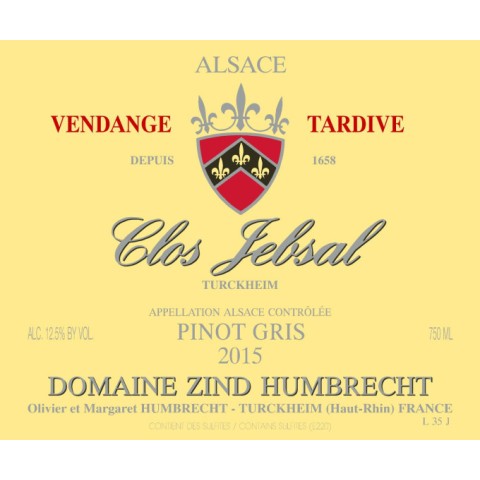
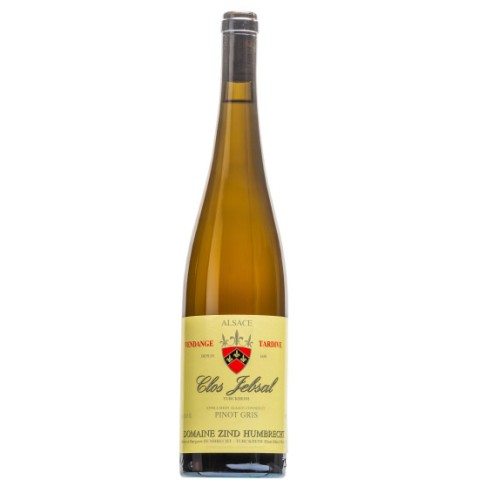
€69.00 / bouteille
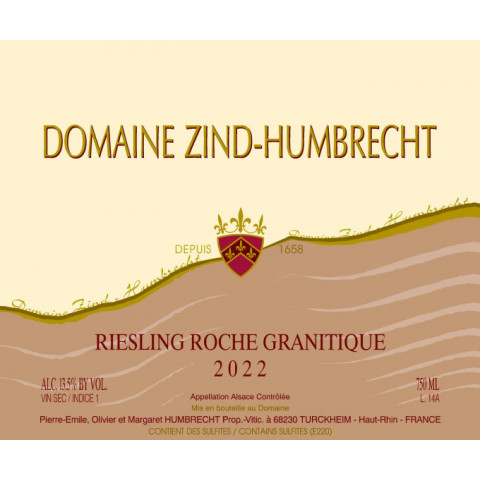
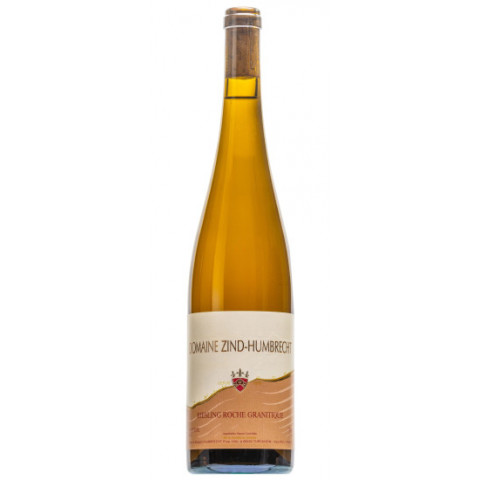
€30.50 / bouteille


€99.00 / bouteille
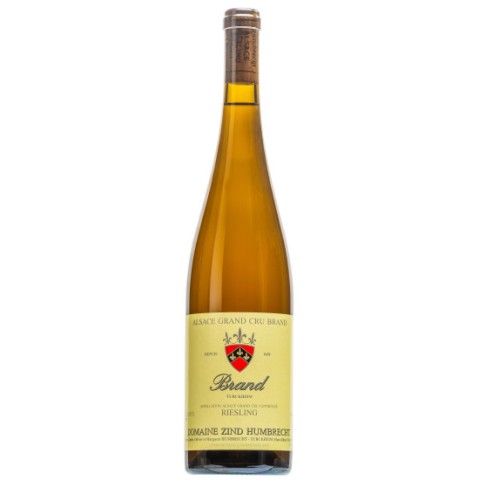
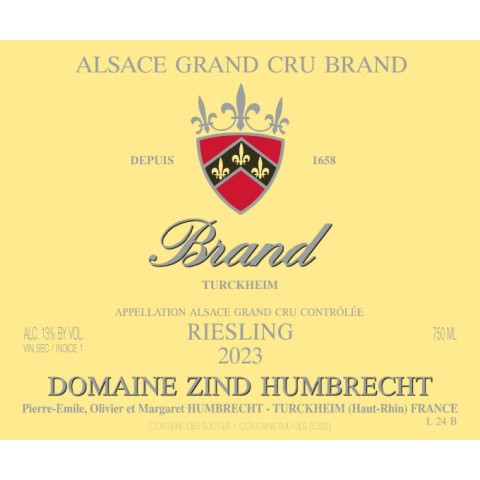
€97.00 / bouteille
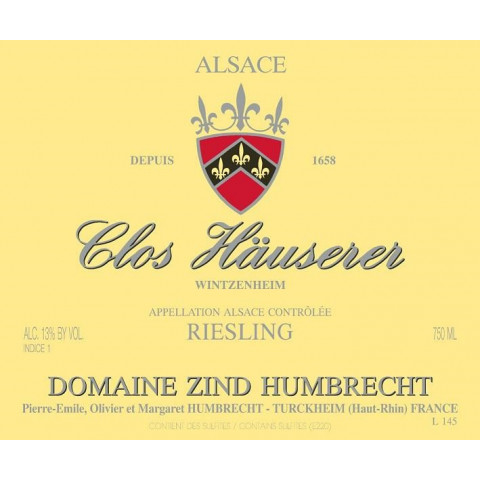
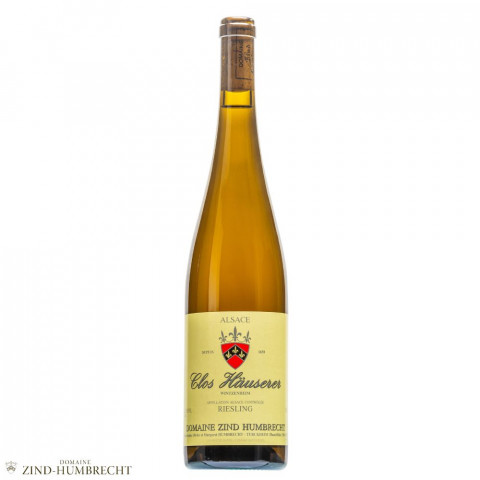
€64.00 / bouteille
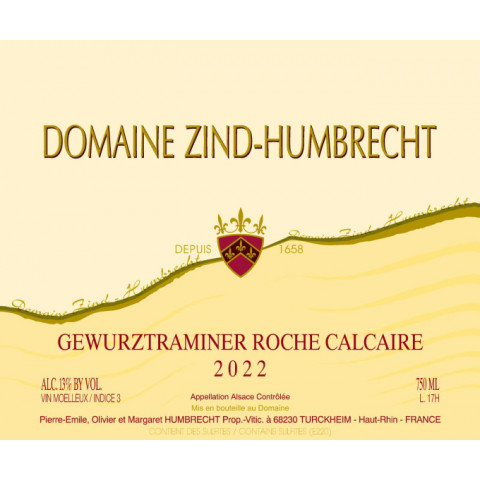
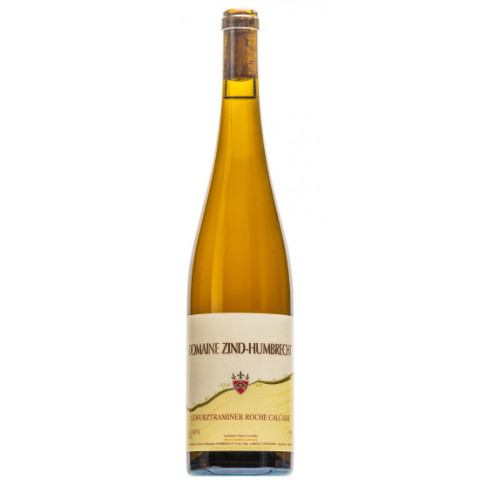
€29.00 / bouteille
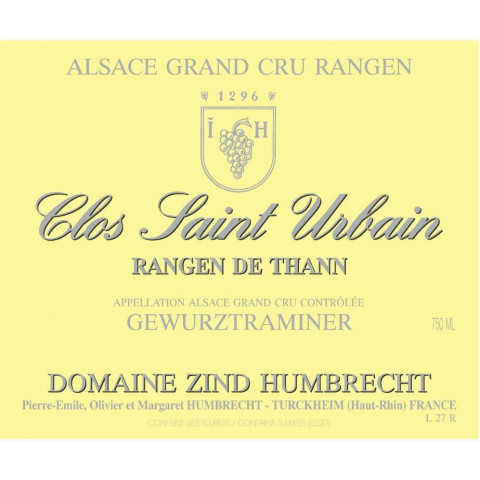
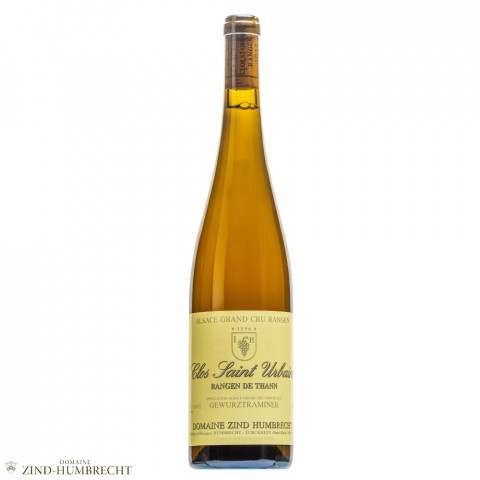
€115.00 / bouteille
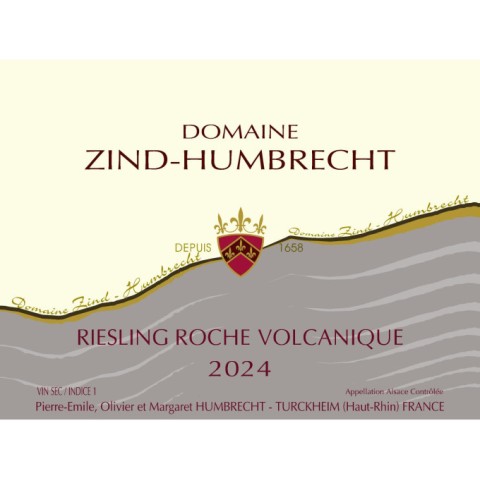
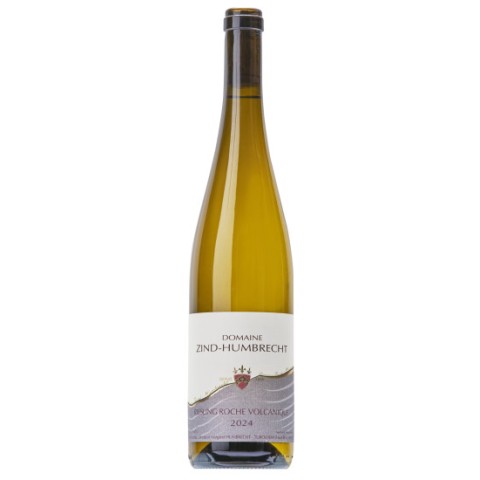
€29.00 / bouteille
€56.00 / bouteille