English
 Français

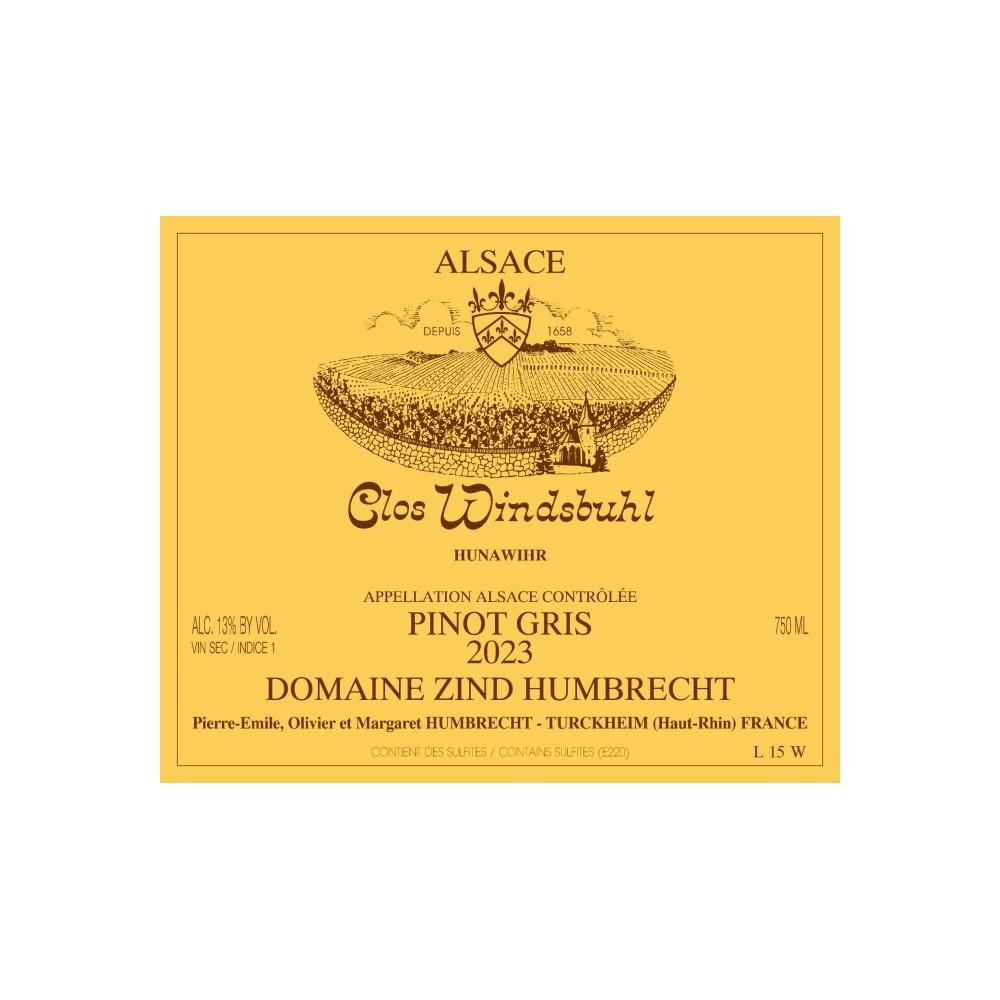
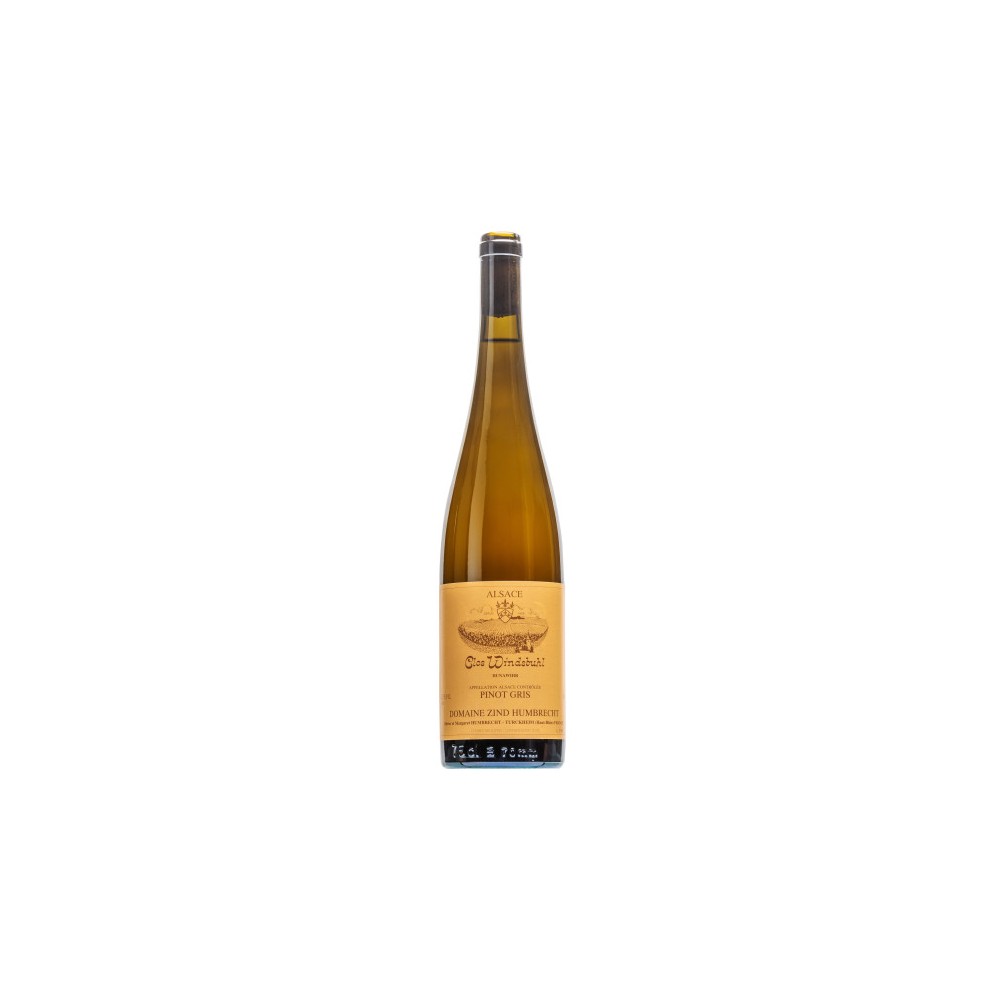
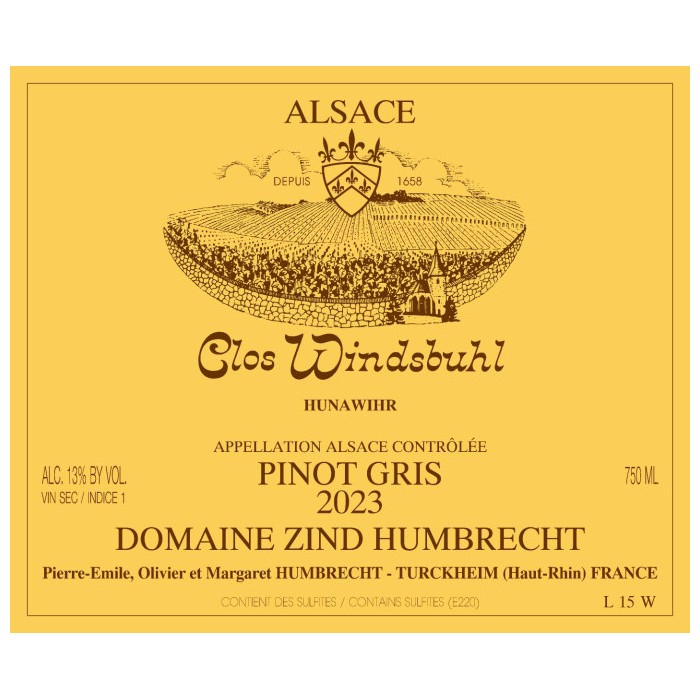
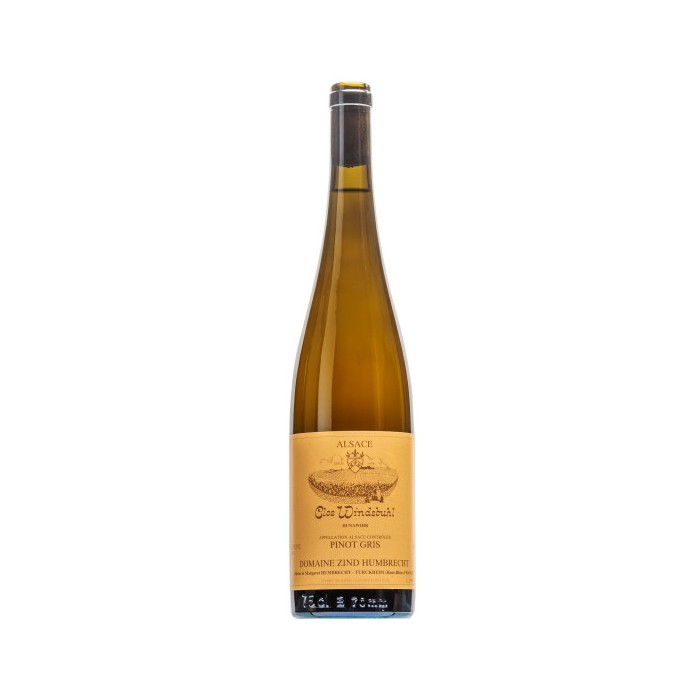
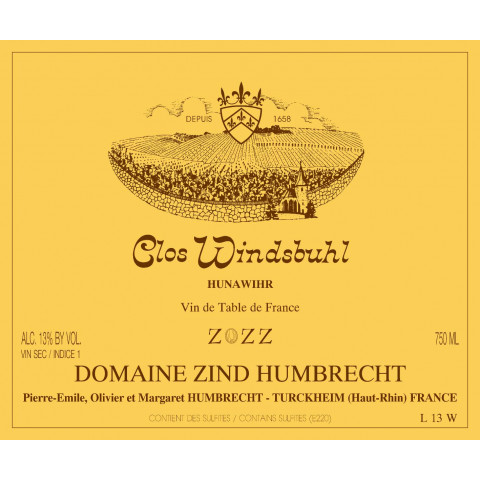
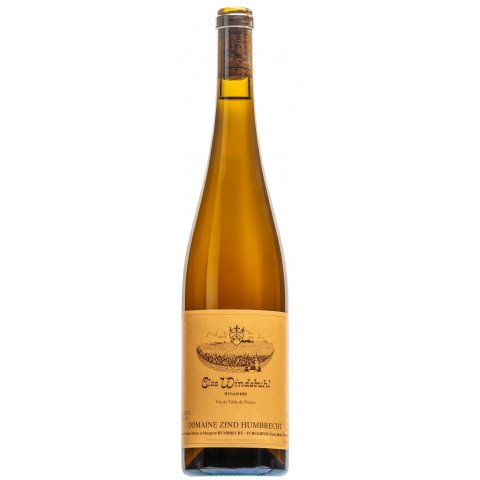
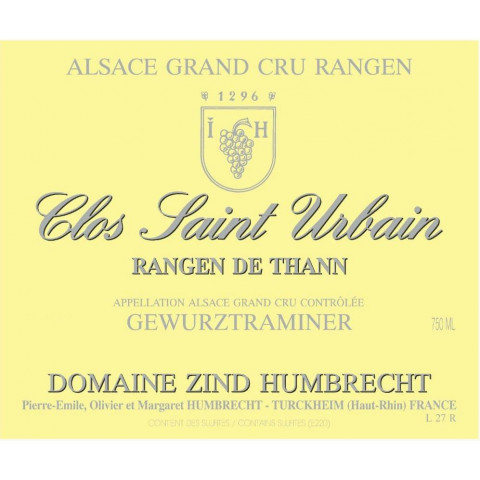
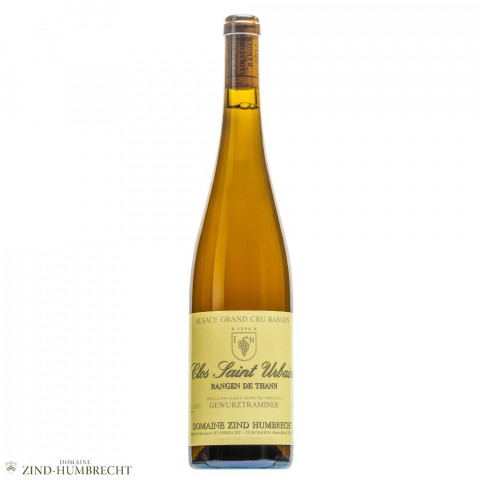
This mythical Clos is available in the 3 major grape varieties of Alsace... It is THE reference of the domaine Zind Humbrecht. 97/100 RVF!
€74.00 / bouteille
 Everything is in stock
 Advice by phone or by email
 Delivery in continental France 20 €, free for orders over 400 €
PRESENTATION OF THE DOMAINE ZIND-HUMBRECHT
+ ALL ITS OTHER CUVÉES IN STOCK
Comments on this
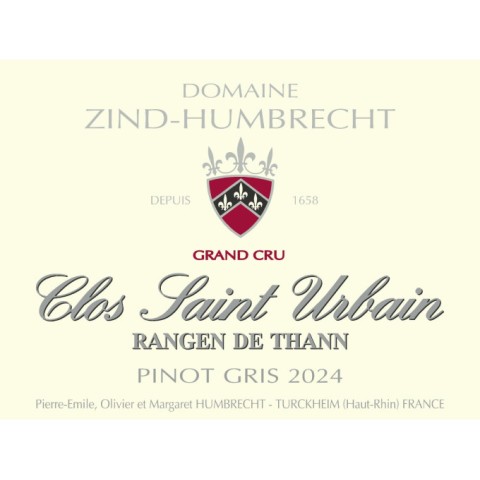
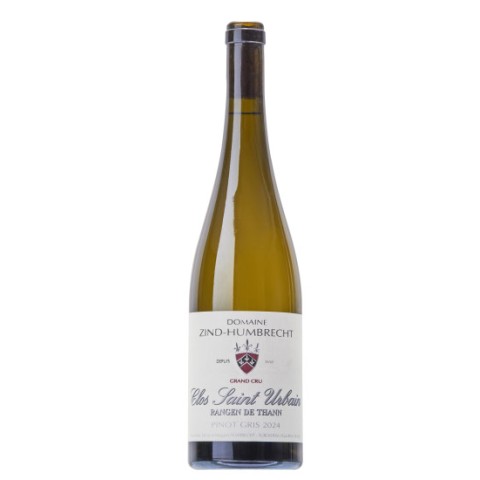
RVF Guide to the Best Wines of France 2026 (Sept 2025): 97/100. On this same terroir, the pinot gris shines brilliantly, with a highly salivating relief, and a fresh breath of noble bitterness.
Tasting comments from Olivier Humbrecht (January 2025): Pale dense gold color. The nose is marked by noble aging on lees, revealing complex reduction aromas, toasted, smoky, grilled (no new wood here!) and underlying a range of white fruits. The palate is precise, taut, fleshy, with a beautiful length and a superb expression of the limestone terroir that imparts beautiful bitterness and an extraordinary salivation, resulting from the magnesian richness of this limestone. This is a wine that places dry Pinot Gris at the center of radically dry great wines. A great wine for aging.
Technical sheet written by the domaine
Description: Written records of the cultivation of Pinot Gris (Tokayer) on the Windsbuhl date back to 1759, when the Windsbuhl was purchased by the Wurtemberg family, who noted that this grape variety thrived there. Pinot Gris is a difficult grape, highly mutagenic, with very different clones ranging from small berries to large bunches. It is also a grape with low aromatic potential, prone to producing wines without relief, perhaps like its cousin Chardonnay, unless planted on a great terroir (limestone) that restricts its production, confers aging structure, and gives the wine a strong personality. It then becomes a very great grape. In the recent past, with vintages where noble rot was almost customary, these wines were often sweet. Today, climate change allows for the harvest of very healthy grapes, resulting in structured wines with acidity similar to great Rieslings, finishing their fermentation on very dry balances, like this 2023. The extended aging on total lees has also helped refine the balances and strengthen the structure of these wines.
Bottling: January 2025
Acquired alcohol: 12.8°
Residual sugar: Less than 0.5 g/l
Total acidity: 4.0 g/l H2SO4 (6.1 g/l Tartaric)
pH: 3.14
Yield: 53 hl/ha
Optimum tasting: 2027-2043+
Average age of vines: 54 years
Terroir: Muschelkalk limestone, South-facing, South-East facing, Medium slope
The entire history of this mythical Clos written by the domaine Zind Humbrecht:
J.J. Becker narrates the history of the Windsbuhl in detail in his work "Geschichtliches über Erlach-Windsbühl bei Hunaweier" (1912). The first mentions of the Windsbuhl date back to 1324, when the Domaine was then called Erlach. When the Count of Ferrette died in 1324, Erlach became the property of the House of Austria through Albrecht of Austria, Count of Habsburg, who had married the daughter of the Count of Ferrette.
The Domaine would remain the property of the Habsburgs until 1648 (Treaty of Westphalia). In 1481, the Rathsamhausen from the "Zum Stein" branch became owners and operators of Erlach. From 1530 to 1732, the Rathsamhausen zum Stein rented Erlach to the city of Riquewihr for two periods of 101 years. Several operators succeeded one another, including the court preacher Joachim Stoll between 1647 and 1678.
In the years 1667-1668, a contagious disease spread in Alsace and in the towns along the Rhine. In Ribeauvillé, the contagion claimed many victims. To escape its ravages, the lordly house of Ribeaupierre withdrew to Wihr au Val. Joachim Stoll chose Erlach as an intermediate station, where he built "at great expense" a residence in his vineyards, on a hill located in the Domaine of Erlach, which he named Windsbuhl in 1668.
From 1732 to 1734, Erlach-Windsbuhl was again rented to Riquewihr. From 1734 to 1758, the Domaine was rented by Siegfried von Bernholdt (aide-de-camp and Marshal of France) and Marie Louise de la Pailleterie (daughter of Rathsamhausen zum Stein) from various landlords in Riquewihr and Hunawihr. Von Bernholdt built the large house of Windsbuhl (as it exists today) in 1760 and developed the vineyard on the hill around his property in its current configuration. At that time (1760), by royal ordinance, the planting of vines was restricted in the plain. Many vines were uprooted! The wines of Windsbuhl, planted with noble grape varieties ("Edelgewächse"), had gained a strong reputation in Strasbourg. The wines of Windsbuhl were then highly valued in the old wine market. The author also found archives where the wines of Hunawihr were paid three times more than those from other municipalities.
On July 6, 1796, the entirety of Erlach-Windsbuhl became the property of Mr. Nicolas Pasquay. At that time, the property consisted of meadows (1ha), arable land (4ha), chestnut grove (12ha), and 6ha of vines. From 1800, the Windsbuhl was operated by the Hoffmann family. J. Becker recalls that the noble wines of Windsbuhl, red and Tockayer, as well as other quality grapes, were eagerly sought after by wine connoisseurs. Local wine brokers took their clients from all over to Windsbuhl to buy wine in barrel.
The vineyard of Windsbuhl experienced a very prosperous period at the end of the 19th century. The entire property of Erlach-Windsbuhl was purchased by Mr. Albert Meyer of Strasbourg, who completely renovated the property and expanded it with wooded areas. The wines of Windsbuhl then gained a reputation far beyond the borders of Alsace, as befitted an old imperial estate. (editor's note). In 1987, the Domaine Zind Humbrecht acquired the vineyard of Clos Windsbuhl from Mrs. Bérangère Meyer, and the first wines from this prestigious Clos were vinified in 1988.
ITS TERROIR
The Clos Windsbuhl is located at the top of the municipality of Hunawihr, about 15km north of Colmar, overlooking the old fortified church of Sainte Hune. Facing South to South-East. With a medium to steep slope (between 15 and 40%), the small hill of Windsbuhl is at a high altitude for Alsace (about 350m).
The vines rest on a substrate of Triassic shell limestone (secondary) called muschelkalk, rich in clays and limestone rocks. The soil is very shallow in places, and the bedrock often outcrops in the middle of the slope. It is remarkable to note that the Windsbuhl is on a terroir quite different from the rest of the municipality. The degradation of this limestone by the microbial life of the soil allows for the production of true clays that will prove very interesting in expressing the minerality of the wines from this cru.
The altitude situation, close to the Vosges massif and sheltered from the northern winds, makes Windsbuhl a late terroir. Bud break and flowering occur 15 to 20 days later than the earliest terroirs in Alsace. This delay continues until harvest. This terroir is particularly interesting in warm vintages, as higher rainfall (about 650mm/year) combined with a soil that allows deep root descent ensures greater resistance of the vines to drought.
This ability to produce great wines is echoed by Georges Spetz, chronicler and author of L’Alsace Gourmande in 1914, who established a list of the best villages and crus of Alsace. He cites:
The Kanzelberg of Bergheim, The Geisberg,
Trottacker and Zanacker of Ribeauvillé,
The Windsbuhl of Hunawihr,
The Schönenburg and Sporen of Riquewihr,
The Geisburger of Kaysersberg (Schlossberg),
The Käferkopf of Ammerschwihr,
The Brand of Turckheim,
The Hengst of Wintzenheim,
Isenburg of Rouffach,
The Kessler, Sähring (Searing), Wanne, Kessler of Guebwiller, Ollwiller,
The Rangen of Thann!
Data sheet
16 other products in the same category:
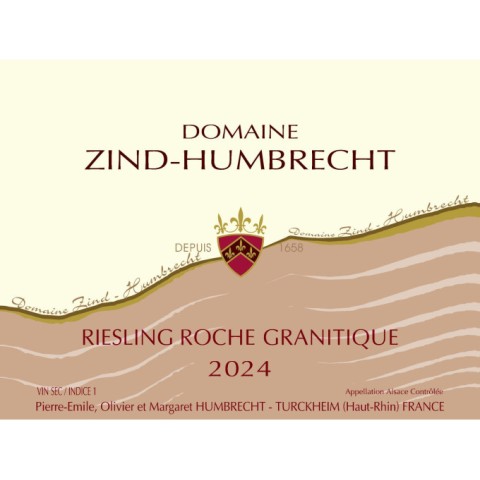
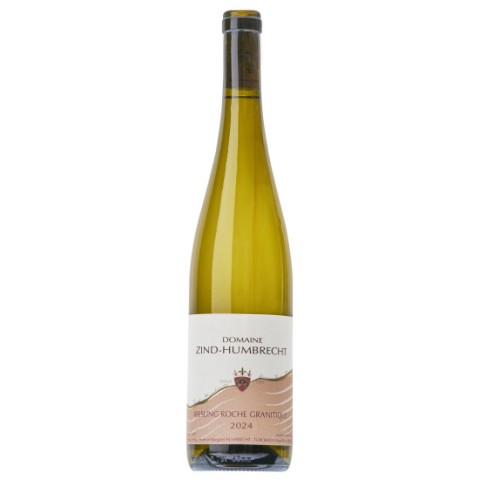
€29.00 / bouteille
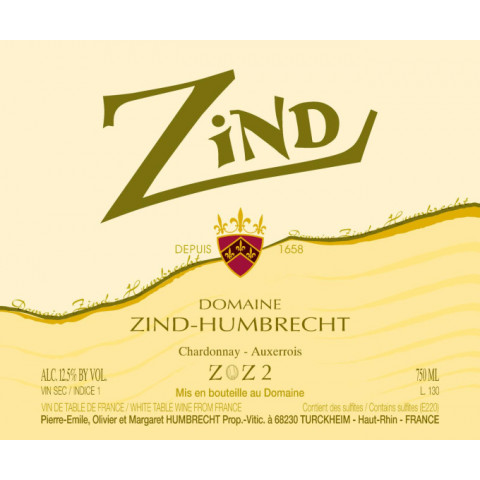
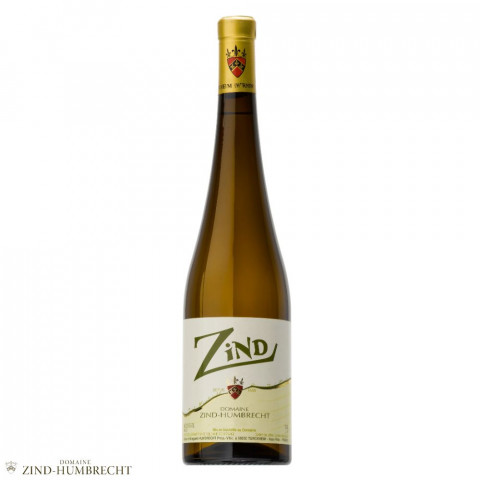
€31.00 / bouteille
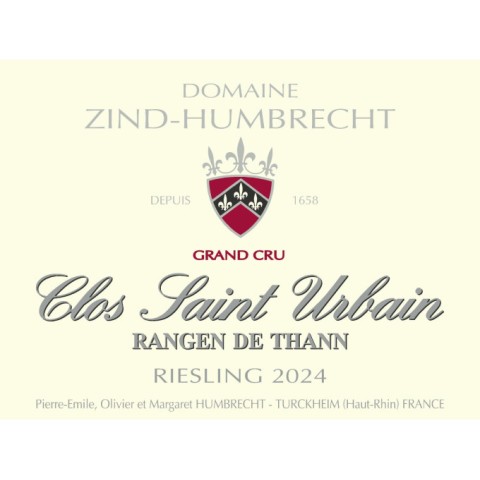
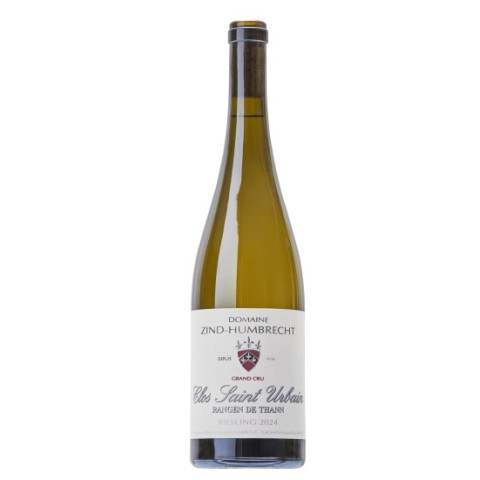
€115.00 / bouteille
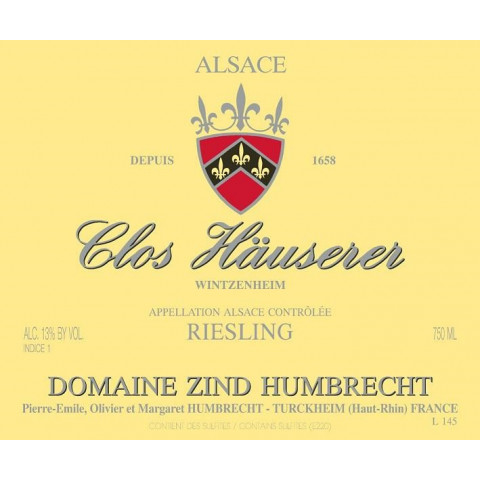
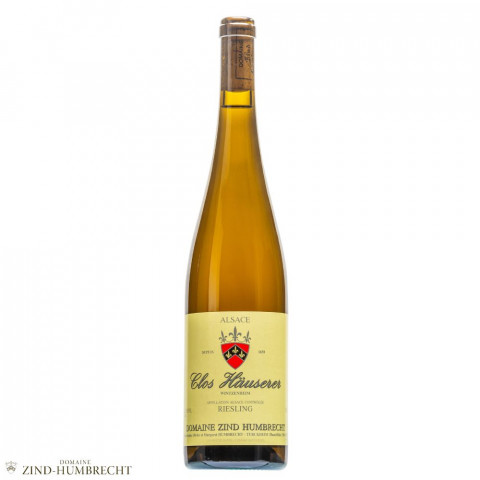
€64.00 / bouteille
€30.50 / bouteille
€97.00 / bouteille
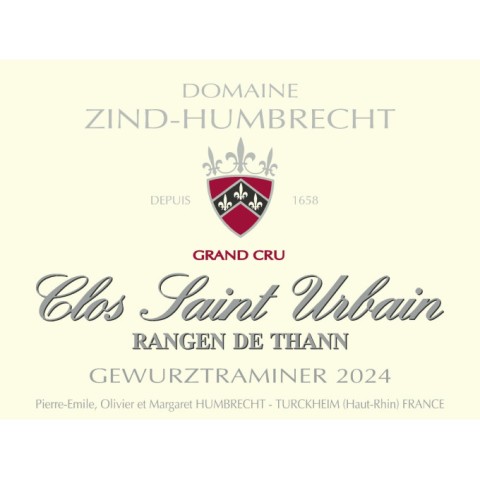
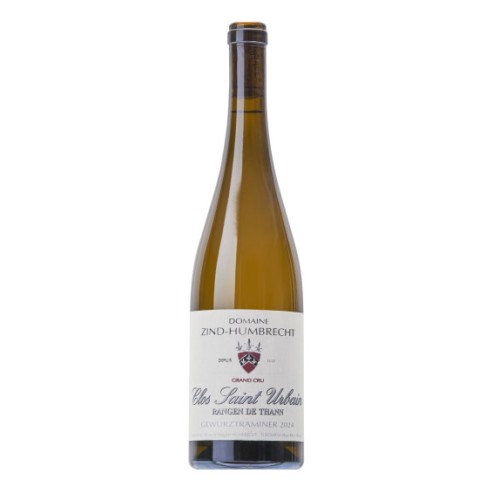
€103.50 / bouteille
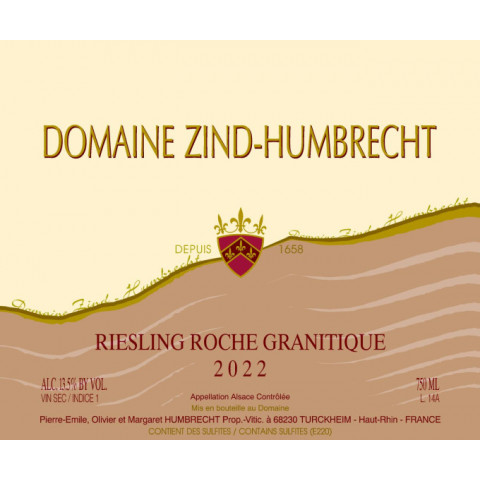
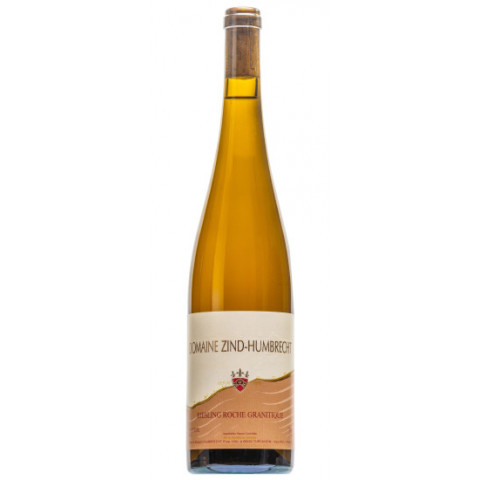
€30.00 / bouteille
€60.00 / bouteille
€115.00 / bouteille
€53.00 / bouteille
€45.00 / bouteille
€115.00 / bouteille
€103.00 / bouteille
€69.00 / bouteille
€89.00 / bouteille