 English
 Français

€163.50
€54.50 / bouteille
€54.50 / bouteille
€120.00 / bouteille
€38.00 / bouteille
€31.00 / bouteille
€13.00 / bouteille
€24.00 / bouteille
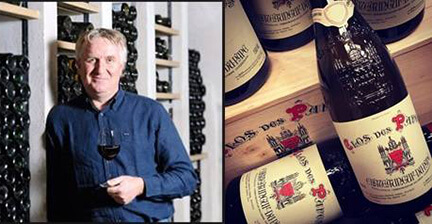
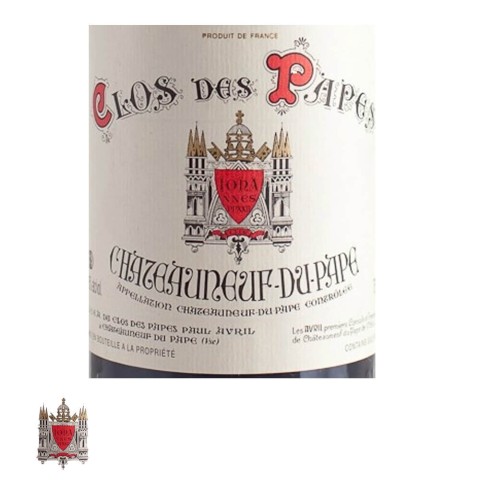
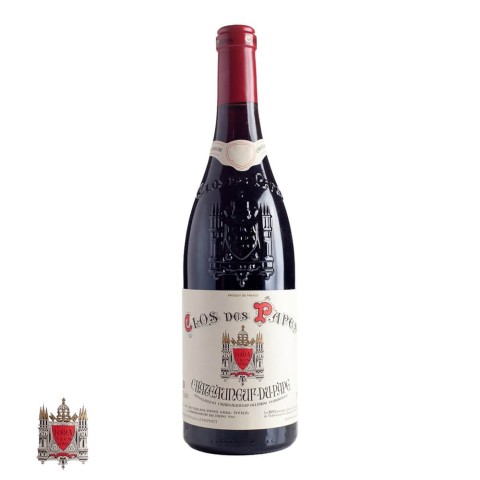
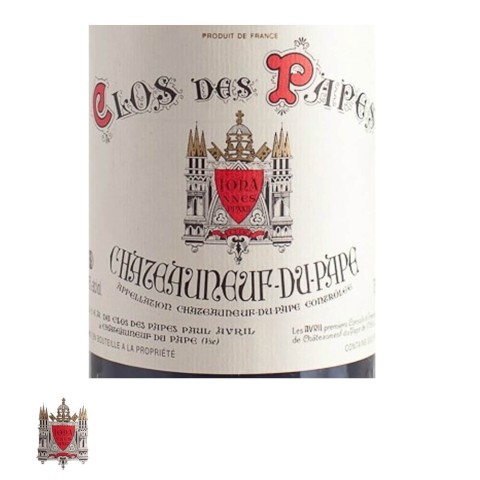
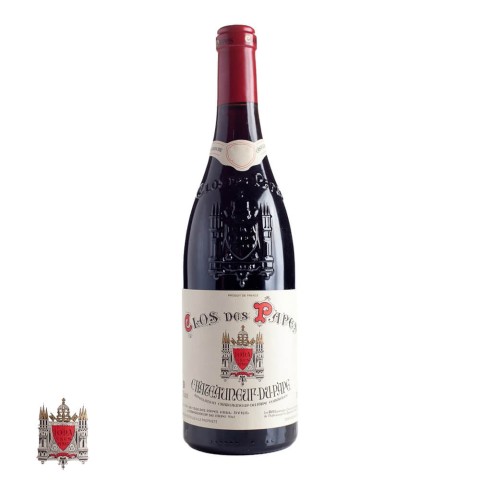
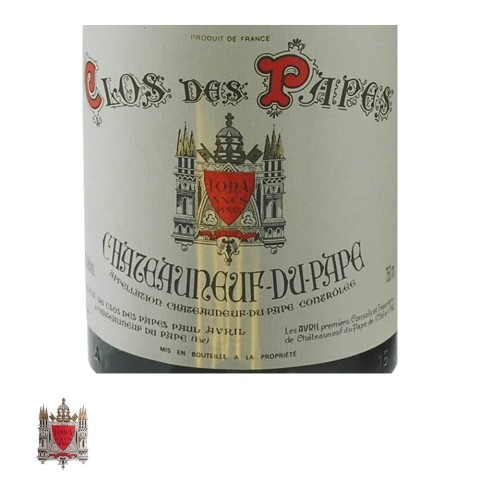
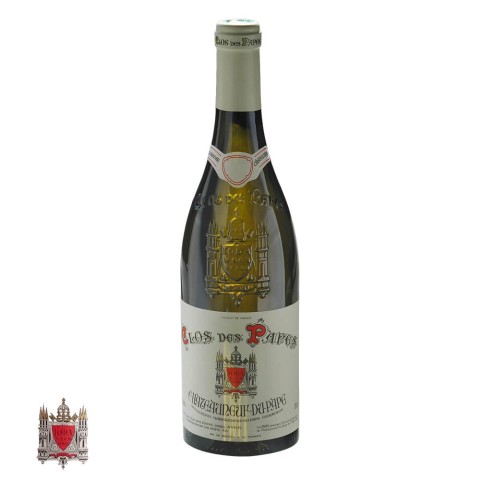
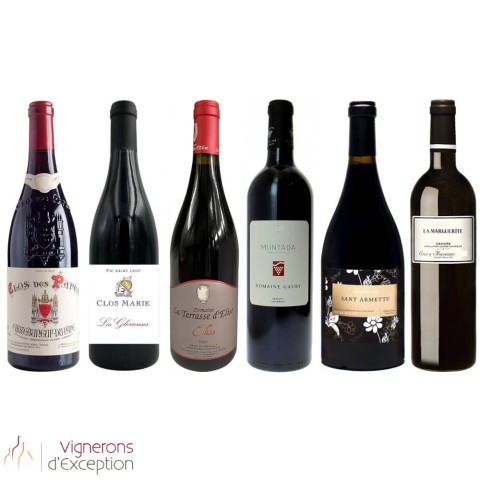
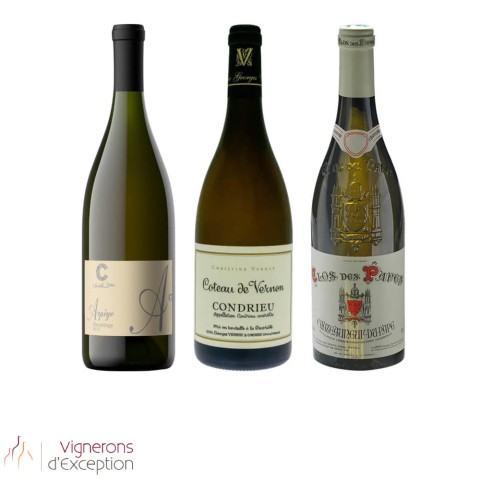
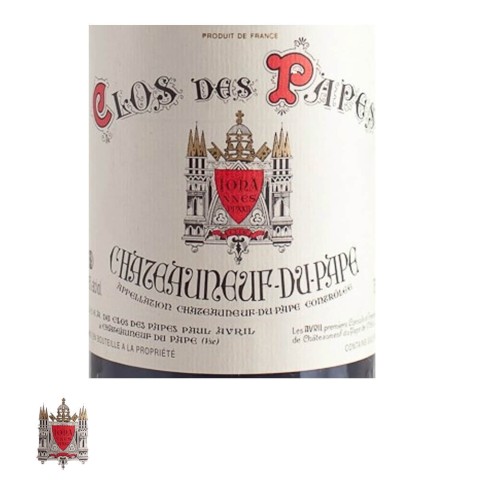
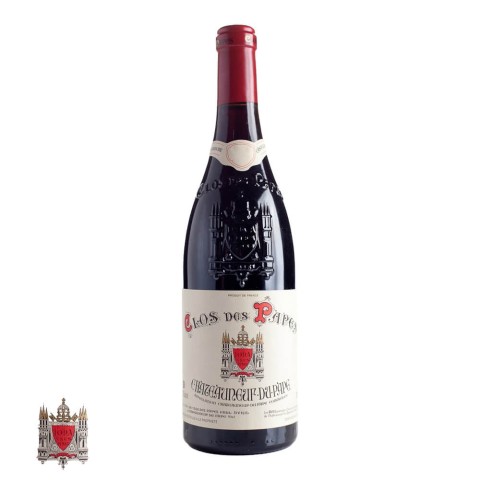
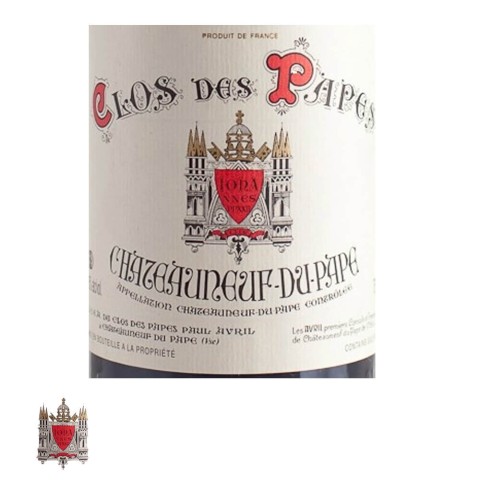
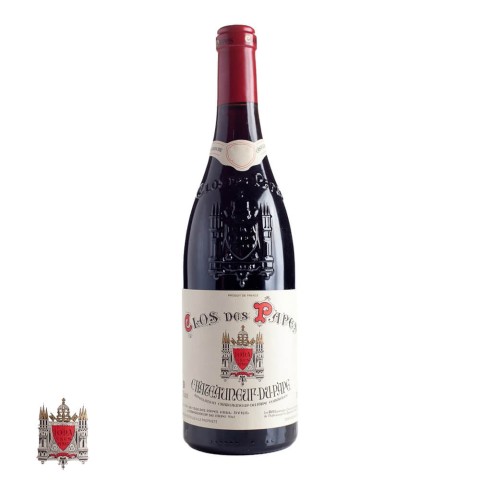
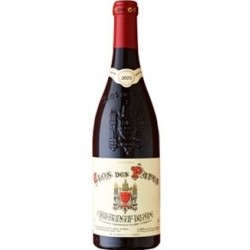
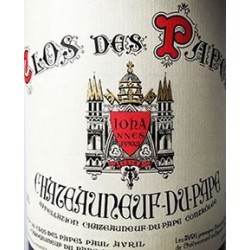
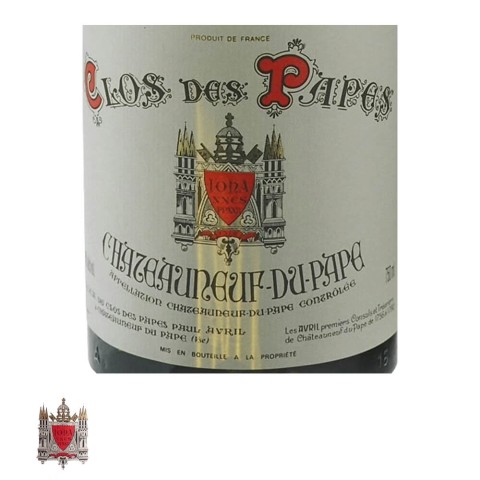
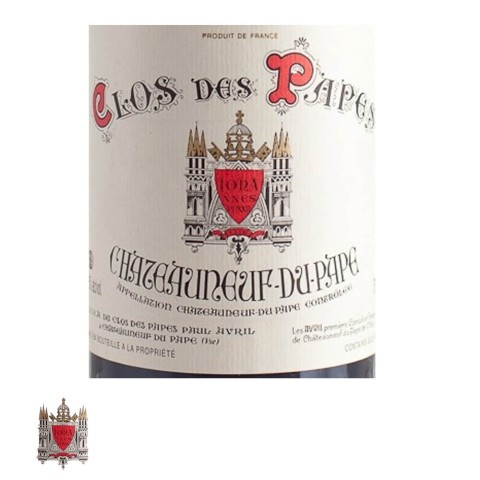
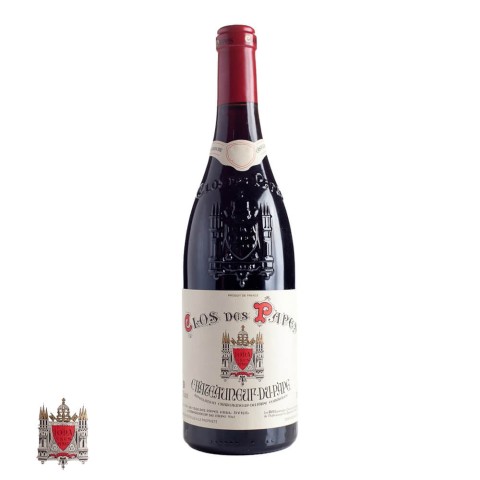
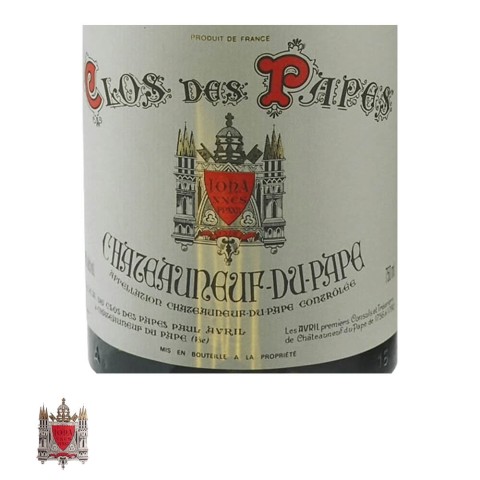
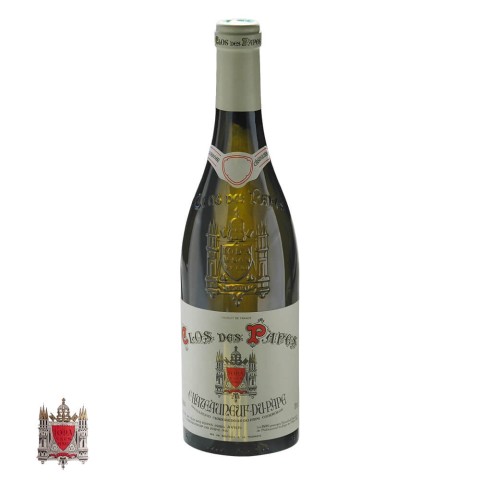
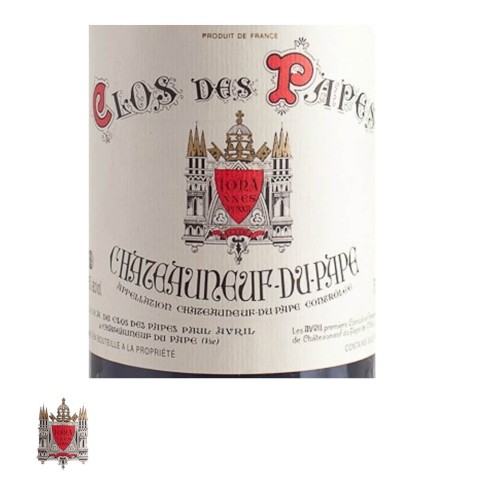
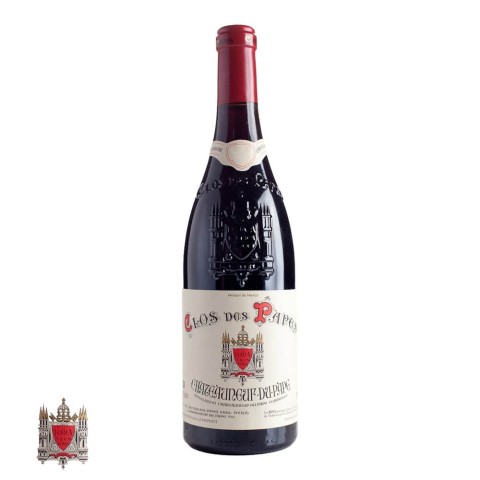
Le Clos des Papes is a domaine wine estate in Châteauneuf-du-Pape whose the cuvée unique red wine (Grenache Syrah Mourvèdre) and the cuvée unique white wine (6 grape varieties including Grenache, Clairette, Roussanne).
For a first purchase, to discover the inimitable style of the domaine, the enthusiast of great wines of the Southern Rhône will turn to the relatively young reds from Clos des Papes, but not the newly released vintage, which will still be too closed. A red Châteauneuf will be the best choice for anyone looking for a wine of long ageing potential to be opened in 10 or 20 years to commemorate an important occasion such as a wedding or anniversary. Opening a mature red Châteauneuf du Pape from Clos des Papes will always be a Gastronomic event, especially if it is a magnum, a format particularly well suited to extended ageing, in which the wine evolves more slowly than in a bottle and can therefore be kept longer in a suitable cellar (humid, without sharp temperature fluctuations, vibration or light).
Once the magic of Clos des Papes has been discovered, one can then venture into older vintages, though availability is far rarer, and into the whites—a tiny production (around 10% of the appellation) that is truly one of a kind.
Even in its youth, tasting a red Clos des Papes is often exceptional. One might expect a warm, alcoholic, rough and extremely tannic wine. Yet it is quite the opposite. The Avril family crafts its sole cuvée red Châteauneuf-du-Pape by deliberately blending all its parcels, harvested virtually berry by berry, to achieve a wine that is fresh, harmonious and balanced from its earliest youth, with those famous velvety tannins so rare to find. The aromas are initially fruity and floral, lightly spicy, even mentholated in the finest vintages. With age, the grape varieties Grenache (55%), Mourvèdre (30%) and Syrah (10%), complemented by 5% of the trio counoise, muscardin and vaccarèse, develop new aromas (potpourri, faded rose) and structure, becoming even more refined, with world-renowned elegance.
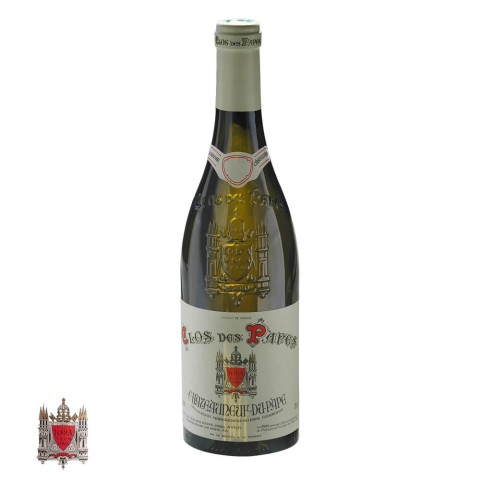
Le Clos des Papes blanc is also the cuvée the Avril family's only Châteauneuf-du-Pape in this colour. Six grape varieties (Grenache blanc, Clairette, Roussanne, Picpoul, Bourboulenc and Picardan), blended in equal proportions, make up this great white wine from the South. Some prefer it young, for its floral aromas of jasmine and white fruit, its tangy freshness (citrus, often grapefruit), not forgetting a note of anise and an often-present minerality. Others, fewer in number, prefer it with age (a maximum of 10 years to avoid any risk): the fruit becomes candied and dried, honey and toasted almond emerge, perhaps even white truffle and empyreumatic notes, with wax and smoke, making for exceptional food and wine pairings (truffle, of course, but also poultry in sauce and other autumn dishes enhanced with chasseur sauce).
Whether red or white, Clos des Papes is the result of a unique blend from all its parcels, encompassing every grape variety, exposure, soil, and subsoil. This is what gives it its richness and renown. Any poor grape, or one that is under- or overripe, is systematically set aside at harvest (or before), and only the finest berries make it into THE cuvée (red or white) from Clos des Papes. Each is world-renowned for its balance (despite sometimes high alcohol levels), complexity and elegance—exceptional qualities that are hard to find, especially all together in a single bottle, particularly in Châteauneuf du Pape, where the finest sits alongside the less impressive within this very large AOP.
Paul-Vincent Avril says it loud and clear: his Clos des Papes is meant to accompany a meal—perhaps a highly gastronomic one, but not exclusively.
Like many well-structured, naturally rich wines, ripened under abundant sunshine, the red wines around 15-16°C in order to find the perfect balance with the accompanying dish. The winegrower recommends decant, but no more than two hours in advance, except for older vintages, which may lose their aromatic freshness. The red Clos des Papes pairs ideally with a wide range of meats: lamb, game, slow-cooked dishes, and Provençal cuisine.
Conversely, the white wines should not be served too chilled, around 12°C, but why not decanted in a carafe kept at cellar temperature. The perfect pairing is with local melanosporum truffle, as well as white truffle from Alba (especially with older vintages). More simply, the great whites of Châteauneuf are quite easy to pair: noble fish and top-tier seafood (lobster, caviar), poultry in sauce, and fine gastronomic cuisine in general.
Red wines :
- Do not serve too warm, as the alcohol may stand out excessively; nor too chilled, as the aromas would be muted and the rusticity of the tannins could come to the fore. 15–16°C, we say !
- do not open a very structured vintage too early (ask us for advice!)
White wines :
- Avoid the ice bucket: served too cold, the aromas and refined flavours of Clos des Papes blanc would be masked.
- If you are not familiar with this style, it is best enjoyed in its youth (say, within the first five years), as the developed aromas, bordering on oxidative notes, are not to everyone’s taste.
Le Clos des Papes comprises 40 hectares divided into 24 distinct parcels. This fragmentation allows precise control over berry ripeness at harvest and the blending of several grape varieties (65% Grenache, 20% Mourvèdre, 10% Syrah, 5% Counoise, Vaccarèse and Muscardin for the reds) across different terroirs. Yields are around 28 hl per hectare, sometimes falling below 15, as in 2013. The harvest is also rigorously sorted in a constant pursuit of quality. Aged in oak foudres for 12 to 15 months (for the reds only), depending on the vintage, the wines are traditionally fined with egg white but not filtered.
1600: The Avril family has been established in Châteauneuf-du-Pape since 1600
1896: The first vintage of Clos des Papes. It bears the signature of the current owner’s great-grandfather, Paul-Eugène Avril.
1911: Paul-Eugène Avril creates a commission at the village town hall to establish the foundations of the Appellation d'Origine Contrôlée
1936: Official Birth of the Châteauneuf-du-Pape Appellation
mid-20th century: Régis Avril, Paul-Eugène’s son, continues his father’s international work (75% of production is exported to 25 countries!). Clos des Papes is served at the Élysée to General de Gaulle, then to Pompidou.
late 20th century: Paul, son of Régis, carries on the family tradition and enters the domaine at the age of 26.
1988: Paul-Vincent Avril, the current owner and son of Paul, takes charge of the domaine in keeping with the family tradition.
January 2026: Paul-Vincent Avril is elected Winemaker of the Year 2026 by RVF
Whatever generation of the Avril family has been at the helm, each has preserved and applied to the letter the inalienable family philosophy : Clos des Papes may perhaps be the last, but even in 2025 it continues to produce onlyone only cuvée in red and only one in white. These cuvées, born of the magical blending of different plots with complementary grape varieties, exposures and soils, are destined to accompany the finest cuisine around the world.
The vintage is important to understand before opening a bottle of Clos des Papes to accompany a meal. In simple terms, it is worth distinguishing between the "hot" vintages increasingly frequent, some cooler vintages (all proportions considered). The former will need time, but their lower acidity will not always allow them to age as long as cooler vintages, with their more pronounced acidity—a factor in good preservation without heaviness.
Thus, 2019 and 2023 are powerful and sun-drenched; they will need time to mellow and will open up with fairly robust, even spicy dishes. 2020, 2021, 2022 and 2024, and perhaps 2025 too (we are in early 2026, so let us wait until the end of élevage!), are fresher and more balanced. While some will certainly age for a long time, they will be enjoyable in their youth, paired with more refined and delicate dishes than the more powerful vintages.
We selected them and love them, but we are not the only ones! Here are the reviews from major guides, more objective than we are.
"The Best Wine in the World" ? It's the (very) American magazine The Wine Spectator, which, in 2007, bestowed this resounding title on the 2005 Clos des Papes red... Since then, the whole world has discovered this great Châteauneuf, and it has become hard to find !
January 2026: Paul-Vincent Avril is elected Winemaker of the Year 2026 by RVF (Roberto Petronio) : In Châteauneuf-du Pape, there is no shortage of fine winegrowers, but truly exceptional ones can be counted on the fingers of one hand. Paul-Vincent Avril is one of them. Whatever the character of the vintage, his wines are unfailingly consistent, thanks to his choices of ripeness at harvest, his artifice-free vinifications, and ageing of such precision that they elevate, with rare elegance, the purity of the fruit and this great southern terroir. Paul-Vincent Avril — and his father before him — believes that Châteauneuf-du-Pape is a wine born from the blending of terroirs and grape varieties. He therefore produces a cuvée unique in both colours. Predominantly red, the 35 hectares of the domaine, including 10% white varieties, divided into twenty-four parcels spread across the entire appellation, comprise 55% Grenache, which is relatively low, and 30% Mourvèdre, which is substantial, completed by 10% Syrah and 5% other varieties. Paul-Vincent Avril believes that Mourvèdre helps refresh Grenache over time and supports it through ageing. With the evolution of the climate, he also has great faith in Counoise and Cinsault, which he has replanted. He prefers to speak of climate disruption rather than climate change, as he observes that his harvest dates have shifted by only three or four days on average over the past forty years. While he has retained the same winemaking style as his father Paul, a trained oenologist, Paul-Vincent has raised the bar in the vineyard through more refined and precise work. Unlike his father, he is more exacting. Every stage in the vineyard is geared towards quality. He carries out soil analyses and assesses what he needs to bring to the vineyard. “We are fortunate to have a plant that does not ask for much. It needs to suffer a little to deliver quality, without tipping into drought stress. If there is good vigour, you can feel that the vine is healthy.” For him, everything starts with the terroir, and he believes it must be respected by controlling production through restrained yields. He has never sold wine in bulk, as he carries out a stringent selection in the vineyard, aiming for a yield of 25 hectolitres per hectare, and in some years barely reaching more than 15 hectolitres. He relies above all on phenolic maturity to obtain silky, supple tannins and freshness in his wines, which may seem paradoxical, since châteauneuf-du-pape often lacks acidity. To compensate for this absence of acidity, Paul-Vincent Avril favours short ageing in old foudres and without new oak, so that his wines retain the brightness of their fruit. In his view, harvesting at 14°, which is somewhat the current trend among winegrowers wary of rising alcohol levels, tends to bring out the alcohol and dry tannins more. What seduces us in his wines, despite high alcohol levels of up to 15.7 or even 16°, is his ability to achieve finesse and an almost unexpected freshness. For him, wines should reflect the winegrower who produces them, rather than follow fashions. He makes the wines he loves. In his own image, with character, and not necessarily destined to please everyone. Deep, aristocratic and refined wines that age magnificently.
Guide RVF des Meilleurs Vins de France 2026 (Sept. 2026): 3★/4 (French excellence). "Arrived at domaine family estate in 1987, Vincent Avril has 31 vintages to his name. The domaine, certified organic for fifteen years, has expanded across the terroirs of La Crau and Canto. True to its enduring philosophy, it produces a single cuvée, convinced that complexity comes from the blending of terroirs and grape varieties, with enough tannic structure to dispense with new oak. Vincent has reduced yields by favoring the vieilles vignes and rigorous selection at harvest, guaranteeing a great wine. The style remains consistent, with ever more meticulous ageing. The white retains lovely freshness over time, while the red, made from destemmed fruit, seduces with its concentrated yet refined texture, with balance taking precedence over extraction. A work of true craftsmanship over many vintages.
La Revue du Vin de France (R. Petronio, June 2023): Whites: Great, fleshy and refined Châteauneufs. A devotee of the cuvée unique, Paul-Vincent Avril is deeply attached to white Châteauneuf-du-Pape, whose capacity for ageing he considers, in certain vintages, sometimes superior to that of the red. For him, terroirs for white wines must not suffer stress; his vines are therefore planted on clay soils rather than on free-draining, sandy soils. He believes acidity is not what enables Southern French white wines to endure over time, as they naturally have little of it; instead, he relies on extremely low yields. Although he uses very short élevage, his full-bodied, profound white is the archetype of a refined, age-worthy great southern white wine.
Guide Bettane + Desseauve : 5★/5 (exceptional). Clos des Papes (...) is one of Châteauneuf’s great benchmarks: over the past twenty years, there has scarcely been a weak vintage here. The Avrils have not succumbed to the fashion for the cuvées special bottlings, their wine too—a blend from all the plots and all the grape varieties—shines with its fullness. The white is not to be overlooked, either in quantity or quality; it too is beautifully balanced and fresh, and remarkable with age. A top-flight address.
Robert Parker's Wine Advocate (Jeb Dunnuck, Dec. 2013). As always, I had a great visit with Paul-Vincent Avril, and he continues to fashion one of the most elegant and seamless wines in the appellation.

Châteauneuf-du-Pape is a prestigious appellation located in the Southern Rhône Valley. It is renowned for its powerful, elegant red wines, as well as its rare, refined white wines.
A variety of terroirs can be found around the village of Châteauneuf, the most renowned being the La Crau plateau with its famous and impressive rolled pebbles, bearing witness to the presence of the sea millions of years ago. These pebbles store heat during the day and release it at night, sometimes averting the disaster of frost-damaged vines.
The red wines are robust and long on the palate. They reveal aromas of red and black fruits, spices, garrigue, and sometimes notes of leather and cocoa, even leather, undergrowth and truffle when they have been matured by time. Châteauneuf-du-Pape is renowned as one of the appellations most suited to the long ageing potential, it is often this AOP that one buys and lays down in the cellar with the intention of commemorating a birthday or another major event 20 or 30 years later.
The white wines are dry and rarer than the reds (around 10% of total Châteauneuf-du-pape production), with an aromatic breadth sometimes marked by aniseed notes, supported on the attack by citrus freshness (grapefruit). With time, unique aromas of dried fruit and honey emerge. An old white Châteauneuf is best reserved for enthusiasts accustomed to age-refined white wines, paired with a suitably considered dish, whereas tasting a young white châteauneuf is far easier and more accessible to all.
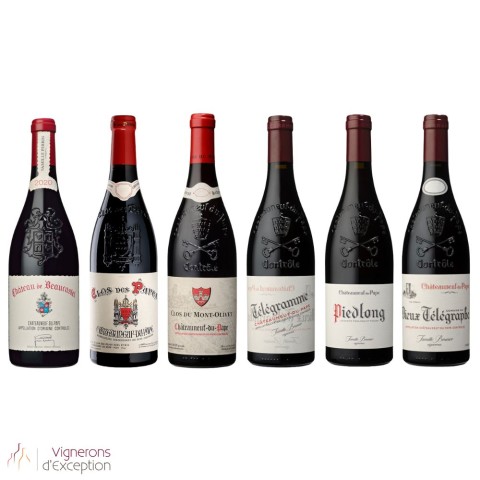
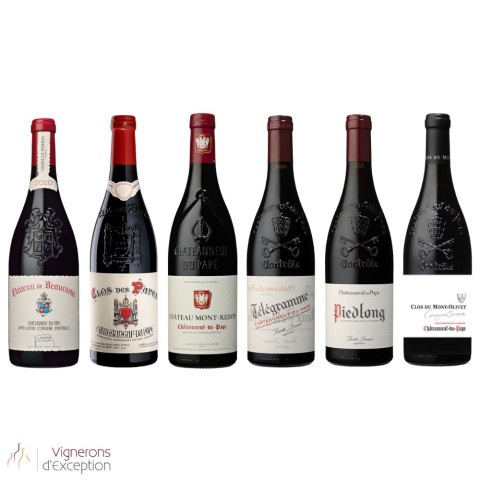
The most common grape varieties in Châteauneuf are the Grenache Noir, the syrah and the Mourvèdre for the reds, and for the whites the clairette, on bourboulenc and the grenache blanc. In total, thirteen grape varieties are permitted under the AOP specifications. Clos des Papes, owned by the Avril family, is just one of the four domaines we have selected as the most exceptional in the Châteauneuf-du-Pape AOP:
Domaine du vieux télégraphe (famille Brunier)
Clos du Mont-Olivet (Sabon family)
Château de Beaucastel (Perrin family)
The Revue des vins de France No. 623 (July-August 2018) - Châteauneuf-du-pape: The vintage we had been waiting for.jpg)
+ Voir plus
- Voir moins
€83.00 / bouteille
€89.00 / bouteille
€77.00 / bouteille
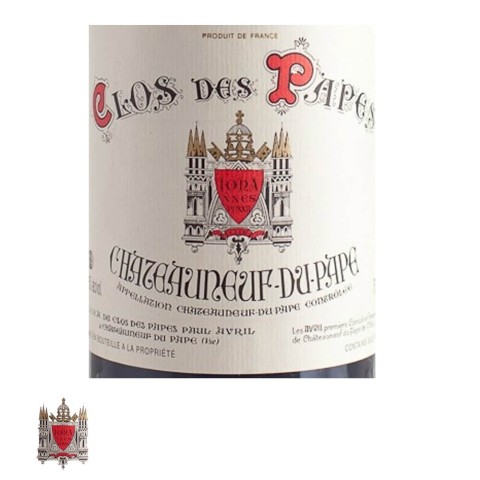
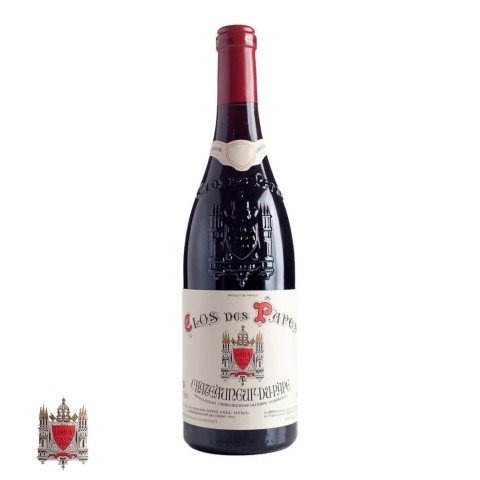
€180.00 / magnum
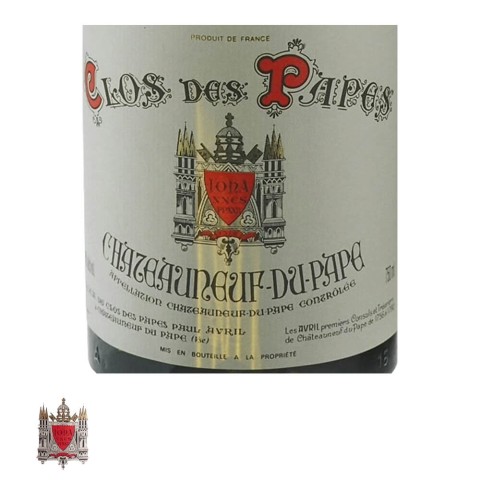
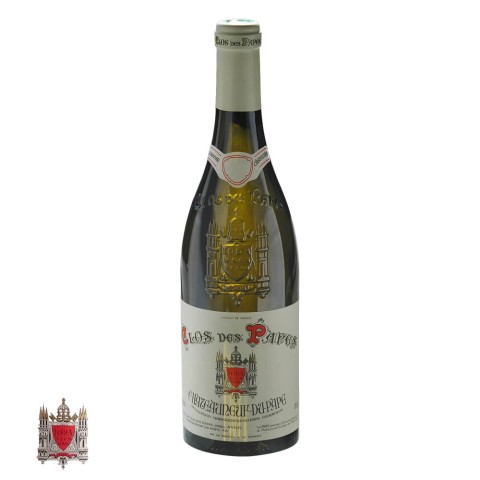
€82.00 / bouteille
€80.00 / bouteille
€104.00 / bouteille
€91.00 / bouteille
€95.00 / bouteille
€71.00 / bouteille
€280.00 / magnum
€130.00 / bouteille
€28.00 / bouteille
€90.00 / bouteille
€70.00 / bouteille
€120.00 / bouteille
€82.50 / bouteille
€210.00 / bouteille