English
 Français

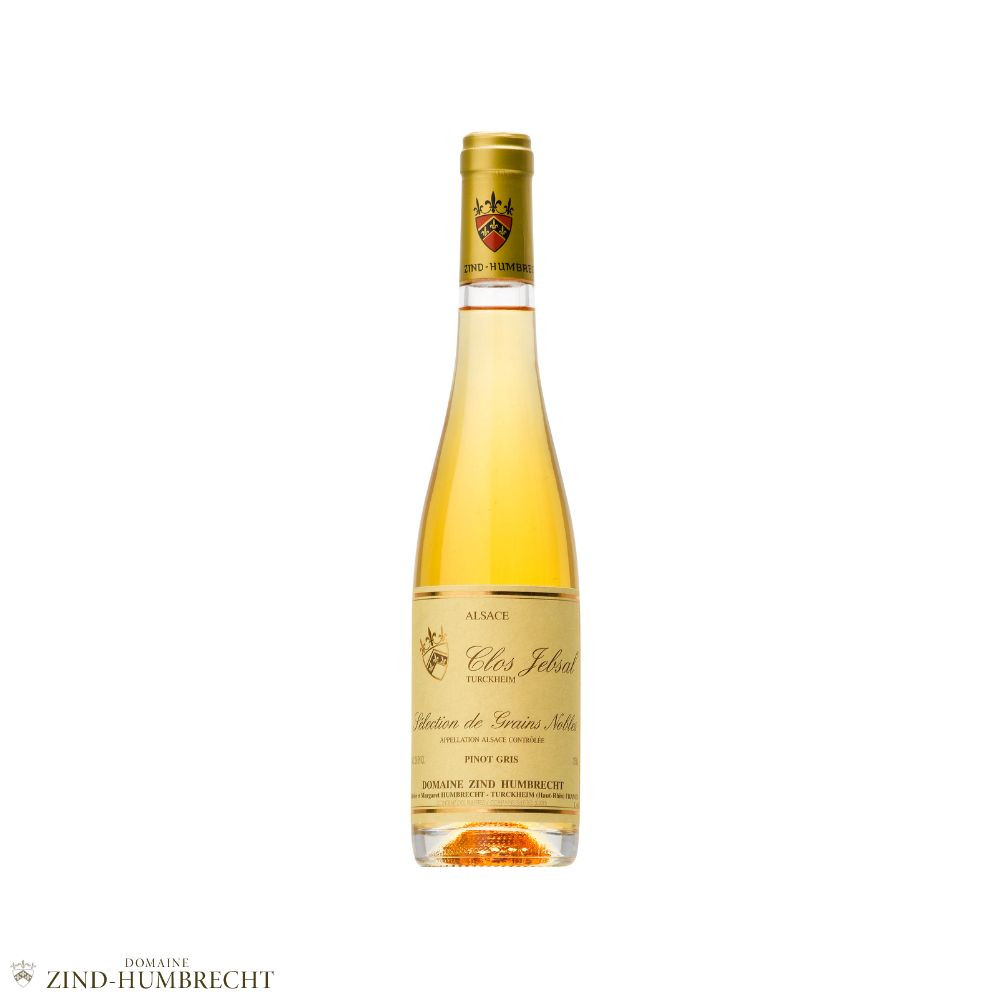
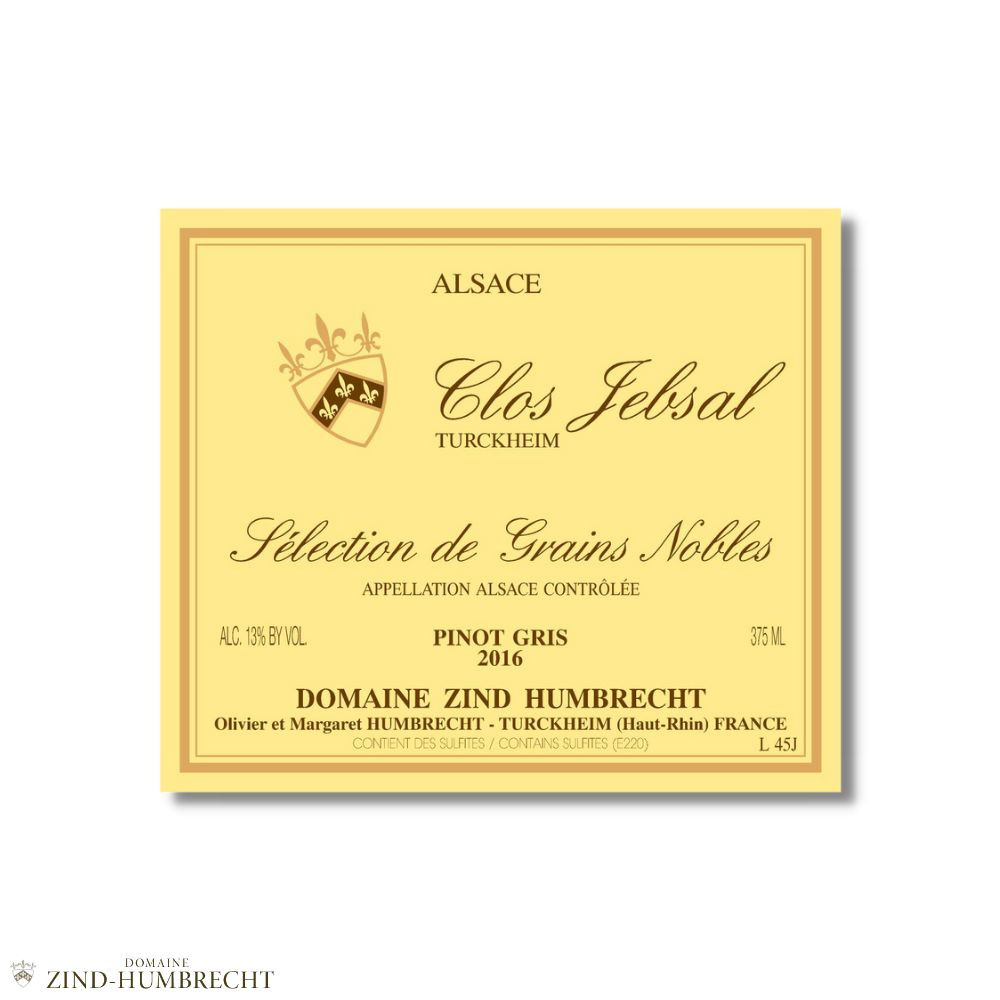
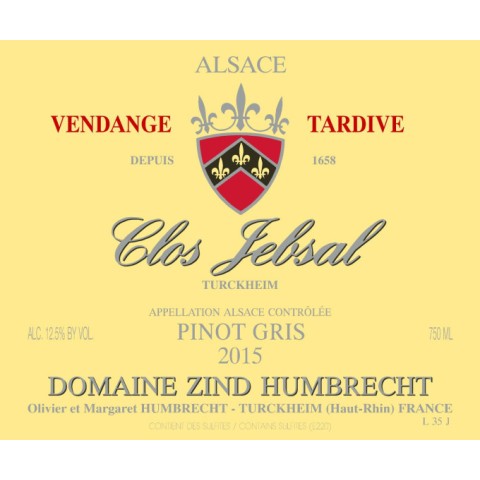
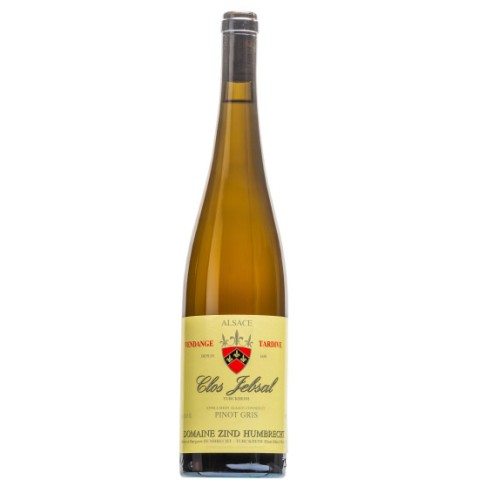
93+/100 Reinhardt/Parker. In this mythical Clos, the domaine Zind Humbrecht produces for the first time in 2016 since 2011 a sweet pinot gris of great elegance, intended for long aging. To be enjoyed before 2050.
€99.00 / bouteille
 Everything is in stock
 Advice by phone or by email
 Delivery in continental France 20 €, free for orders over 400 €
PRESENTATION OF DOMAINE ZIND-HUMBRECHT
+ ALL ITS OTHER WINES IN STOCK
Comments on this
Robert Parker's Wine Advocate (Stephan Reinhardt, Oct 2018) : 93+/100. The 2016 Turckheim Pinot Gris Clos Jebsal Sélection de Grains Nobles is clear yet a bit volatile on the nose with notes of quinces. On the palate, this is a fine, elegant, piquant and structured SGN with lots of lemon flavors. It's piquant, elegant, well concentrated and sweet but with nice bitters on the finish.
Tasting comments (February 2018) : Bright gold color. The nose is already very open and expressive on the fruit. The palate expresses a beautiful liqueur and roundness, without the aggressiveness of residual sugars. This wine retains the natural elegance of the vintage. The color will remain clear longer (effect of passerillage) and will evolve slowly. As in the past, the sweet wines from Jebsal are meant for long aging.
Technical sheet written by the domaine
Description : The weather conditions were very favorable for the development of noble rot in 2016. However, the lack of humidity, even rain, limited the development of the botrytis fungus. The Sélection de Grains Nobles 2016 is therefore obtained as much from botrytis as from passerillage, a natural drying process of the grapes that increases their richness (in sugar but also acidity). This is the first SGN produced from this Clos since the 2011 vintage. Adverse climatic conditions (rain) had not allowed the grapes to remain on the vine long enough in previous vintages to reach the SGN stage. The passerillage has a very interesting effect on the wines. Fermentation is easier (botrytis has an inhibitory effect on yeasts), the style is more fruit-forward, and there is a concentration of acidity, well perceived in this wine.
Bottling : August 2017
Acquired alcohol : 13.1°
Residual sugar : 128.5 g/l
Total acidity : 4.8 g/l H2SO4
pH : 3.5
Yield : 22 hl/ha
Optimum tasting period : 2021-2046+
Average age of the vines : Planted in 1983
Terroir : Gray marls and gypsum (Keuper). South-facing, terraces, and steep slope.
2016 Vintage
The 2016 vintage is contrasting, and it can be said that two vintages coexist together. The first, until mid-July (from bud break to bunch closure), is a late vintage, marked by a late winter and a lot of water, causing serious problems with cryptogamic diseases (downy mildew); the second, (veraison and maturation) is marked by high temperatures, significant sunlight, and a lack of water causing marked water stress in some areas.
The winter of 2015/2016 was mild, but a slightly cooler March and significant rainfall in April delayed bud break. Fortunately! Alsace narrowly escaped the cold snap at the end of April, and only a few terroirs at the bottom of the slopes suffered losses. The heavy rains from April to June disrupted vine growth and delayed flowering (300mm in three months). In reaction to the heat stress of 2015, the grape yield is generous, and the harvest promises to be of good size. Some areas that suffered early attacks of downy mildew on inflorescences recorded significant losses. In June, the vines were growing vigorously. Managing this significant growth while keeping the soils clean (control of cover crops) and maintaining a regular treatment schedule was a challenge. 40 people worked on the domaine!
From July onwards, everything reversed. The cumulative rainfall over 4 months barely reached 100mm. The terroirs with light, draining soils suffered greatly, and maturity blocks were frequent, especially on the Riesling grape. Where viticulture was in line with the characteristics of the vintage (reasonable yield, disease control, and weed management…), and especially on soils where rooting is deep, it was possible to produce elegant, refined wines, often tense and with good aging potential.
While some early and draining terroirs could be harvested early (third decade of September), others, less sunny and with heavier geology, were harvested late, benefiting from beautiful autumn days in October. The Pinot varieties ripened relatively quickly, while Riesling and Gewurztraminer required 120 days after flowering, or more, to reach good physiological maturity. For example, Pinot Gris was harvested a month before Riesling and Gewurztraminer on the Rangen! The balances (acids/sugars/tannins) are good, and there is a low proportion of malic acid in the wines. The barely finished wines already show a mouthfeel of great purity and beautiful precision.
2016 presents a beautiful qualitative and aging potential. Cultivating the vineyard biodynamically was not easy, and it was essential to be very responsive, to anticipate, and especially to be able to intervene quickly during the few rare weather clearings in June. Otherwise, the consequences were significant! Overall, in 2016, Alsace confirms its privileged geo-pedo-climatic situation (protection from the Vosges) and its ability to produce great wines. With the exception of Clos Jebsal, 2016 was not a vintage favoring noble rot.
The vineyards that produced a reasonable harvest allowed for harmonious, well-structured wines with beautiful maturity/acidity balances. The textures of the wines are generally elegant and complex. A beautiful phenolic maturity gives the wines a pleasant grain in the mouth, with moderate power due to lower acquired alcohol levels and very dry balances, especially on Riesling. Many wines did not finish their fermentation until September 2017, and bottling for these wines was done in February 2018. All grape varieties performed well in 2016 and should evolve well over time.
The Terroir in detail:
Clos Jebsal is located on a geological fault of gray limestone marls from the Keuper (Triassic/Secondary), rich in clay and gypsum. Just below the Grand Cru Brand, this small Clos (1.3ha) has a very steep slope (50%) and numerous terraces facing south. Clos Jebsal benefits from a very warm and incredibly early mesoclimate, while being perfectly protected from the northern winds by the Brand mountain.
The deep soil, which warms up relatively slowly, allows for the consistent production of wines with balanced acidity, associated with significant maturity linked to this terroir. Due to its location and soil, it has been observed over the years that this terroir has a real aptitude for developing noble rot. Every harvest since 1989 has been either a Vendange Tardive or a Sélection de Grains Nobles. The sweet/liquor-like character of the wines from Jebsal is a component of this terroir.
Wines in general:
Despite remarkable earliness (Clos Jebsal is the terroir where the first flowers and first berries appear on the domaine), this terroir has a real capacity to produce wines with a cold soil typicity. The gray marls of the Keuper ensure a regular water supply, preventing any water stress and giving the wines from Jebsal a beautiful acidity. Noble rot is present every year, and since the first vintage, all wines from Jebsal have been sweet. Depending on the climate at the end of the season, the expression Sélection de Grains Nobles may be favored, especially in years of high acidity, while in other, rarer vintages like 2012, 2004, and 1992, we prefer a full harvest in Vendange Tardive. It is also not uncommon that in certain vintages, Jebsal is the only terroir to produce overripe wines. In years when botrytis reaches extreme concentration and the Grains Nobles exceed the threshold of 30° potential, these wines carry the designation "Trie Spéciale," as they stand out from others by having very low acquired alcohol (often below 6%) and a large amount of residual sugars (over 300g/l).
The wines from Jebsal are discreet in their youth, often marked by smoky and stony aromas. The fruity expression, linked to noble rot, develops over time with bottle aging. A minimum aging of 10 years is often necessary to allow this cru to fully express itself.
Data sheet
Specific References
16 other products in the same category:
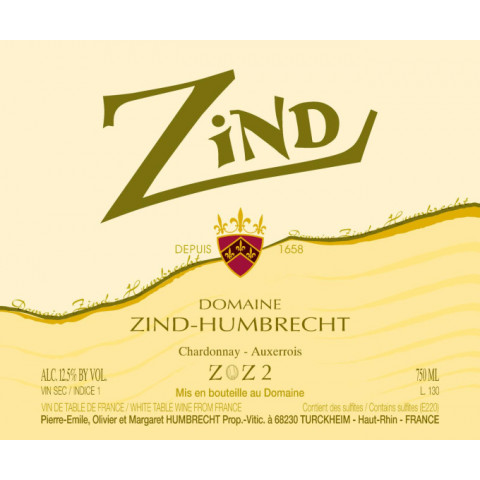
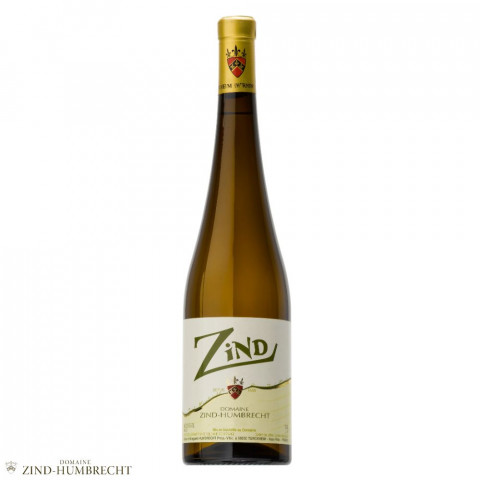
€31.00 / bouteille
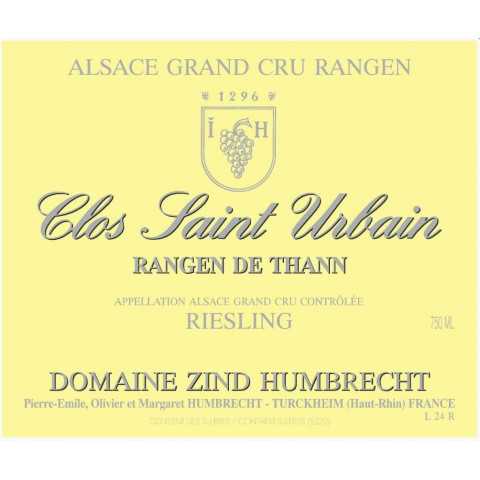
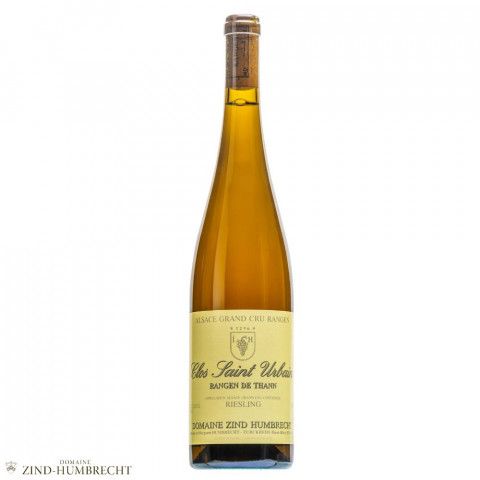
€115.00 / bouteille
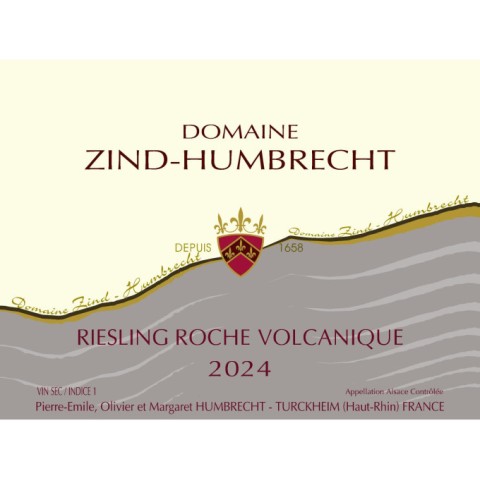
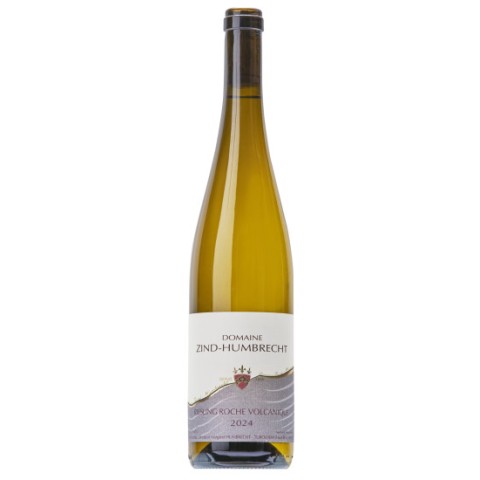
€29.00 / bouteille
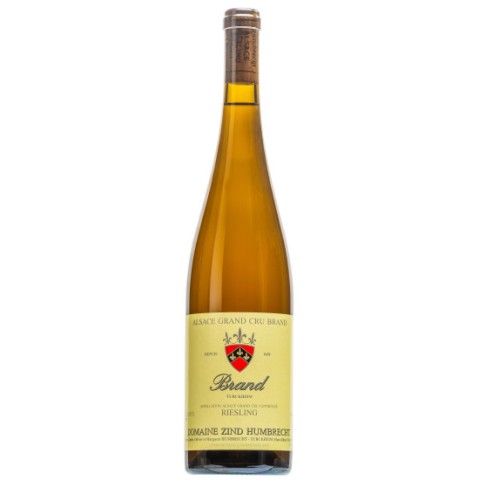
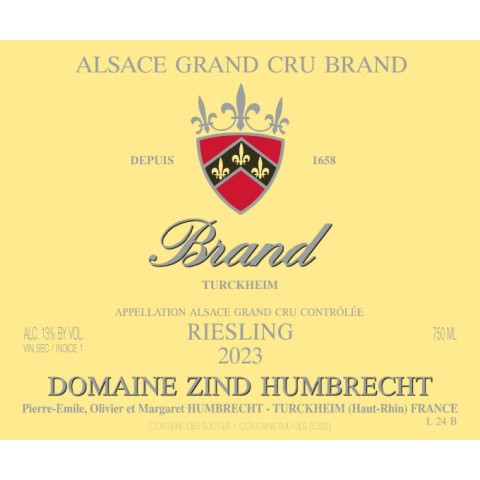
€97.00 / bouteille
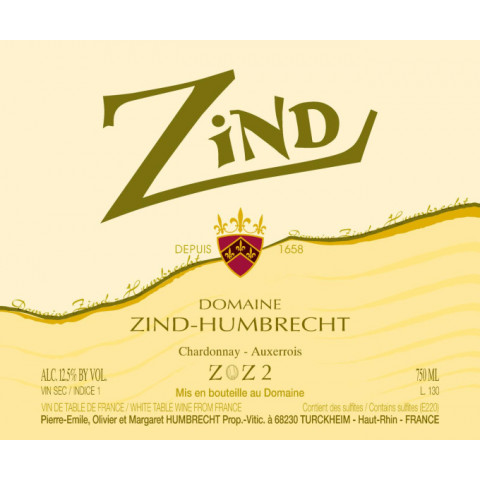
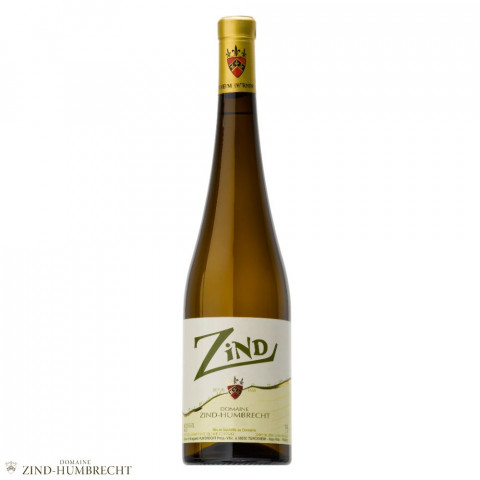
€31.00 / bouteille
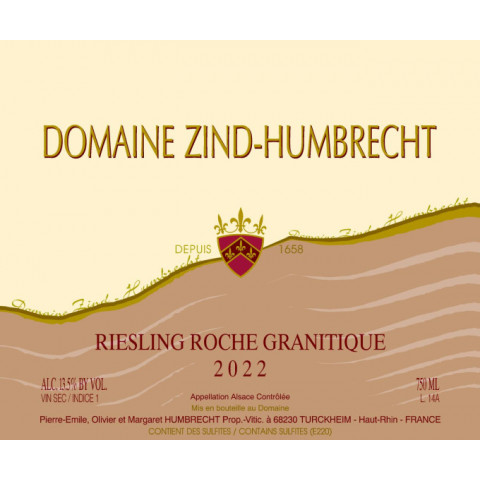
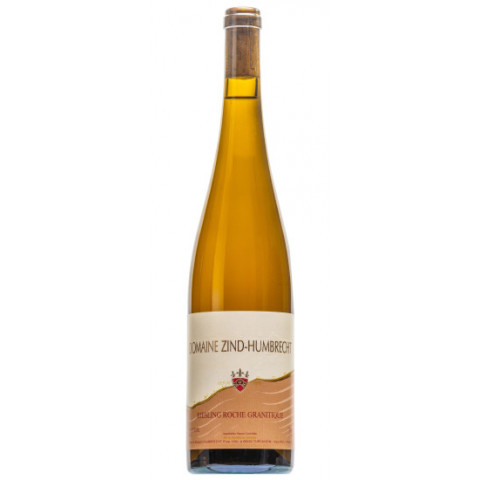
€30.00 / bouteille
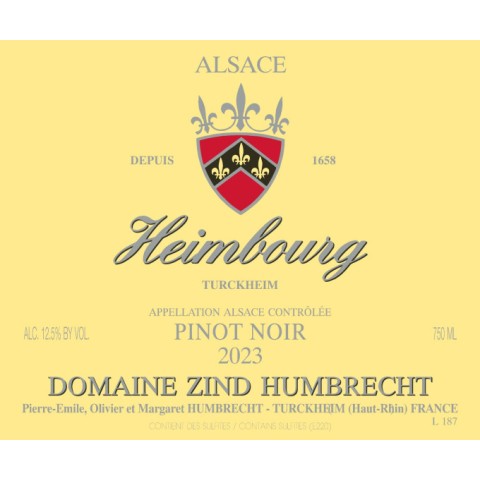
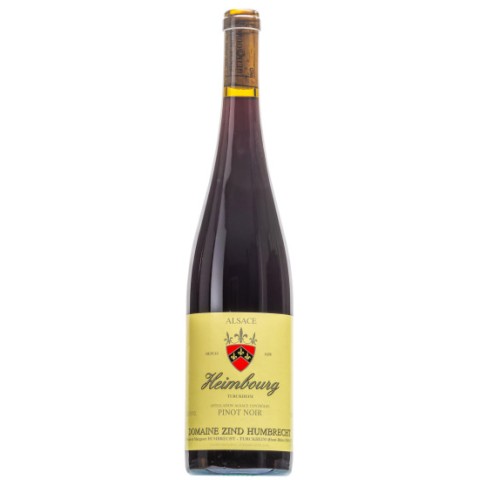
€60.00 / bouteille
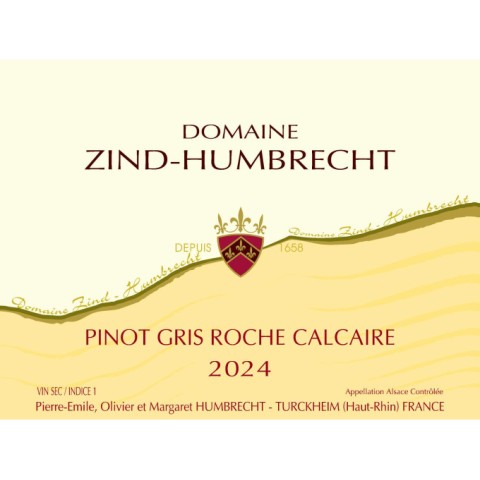
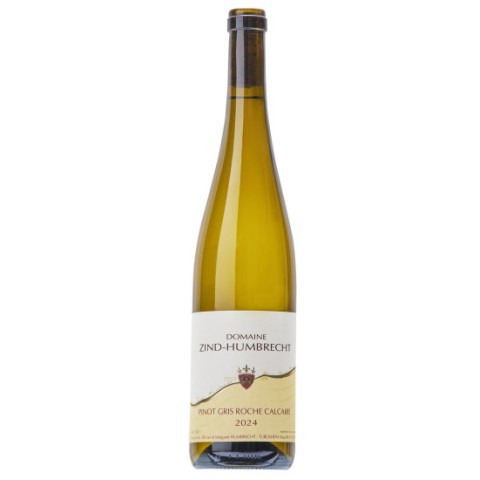
€29.00 / bouteille
€115.00 / bouteille
€29.00 / bouteille
€53.00 / bouteille
€64.00 / bouteille
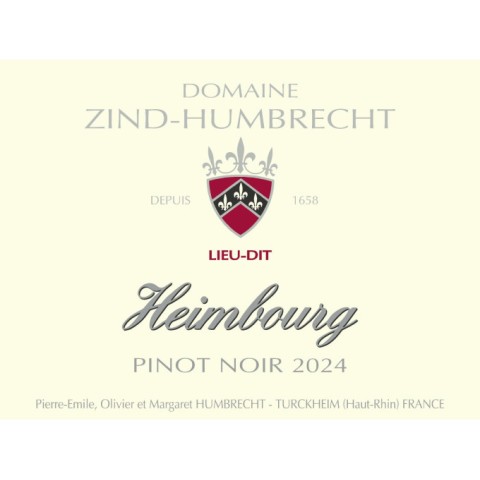
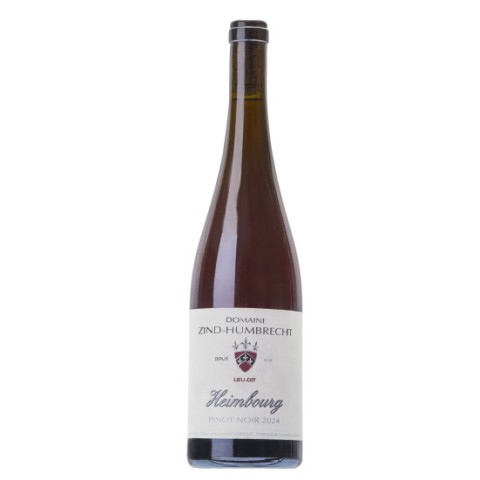
€56.00 / bouteille
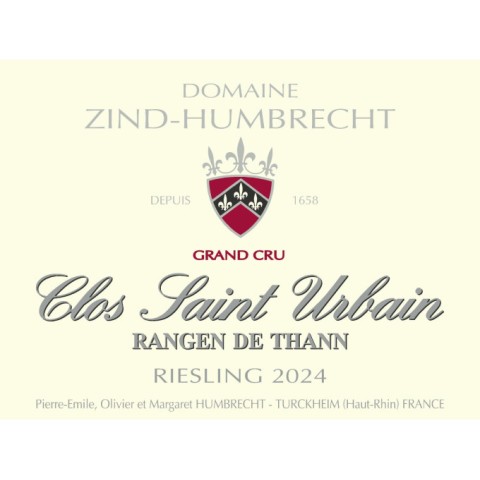
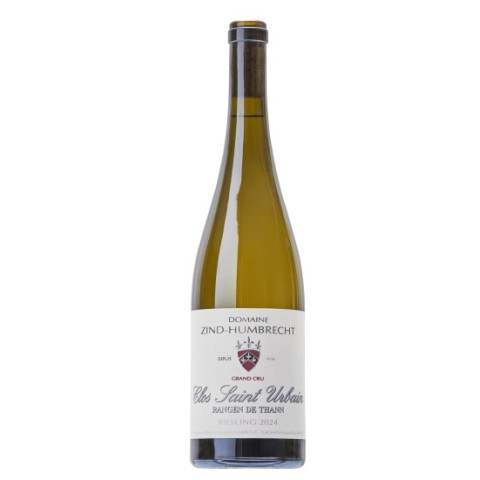
€115.00 / bouteille
€103.50 / bouteille
€69.00 / bouteille