 English
 Français

€46.50
€15.50 / bouteille
€15.50 / bouteille
€54.50 / bouteille
€120.00 / bouteille
€31.00 / bouteille
€24.00 / bouteille
€13.00 / bouteille
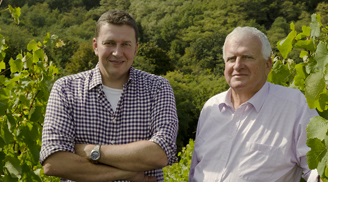
The domaine Zind Humbrecht offers online purchasing at a price domaine its numerous Alsace wines from biodynamically farmed grands crus, crafted from Riesling, Pinot Gris and Gewurztraminer.
These include, among other illustrious terroirs classified as Grand Cru, Clos Saint Urbain (Rangen de Thann), Hengst (in Wintzenheim), Rotenberg, Clos Häuserer (Wintzenheim), Herrenweg, Clos Jebsal, Brand and Heimbourg (Turckheim), and Clos Windsbuhl (Hunawihr).
We have purchased and are cellaring an exhaustive selection of the finest cuvées and vintages from Zind-Humbrecht, available for immediate home delivery.
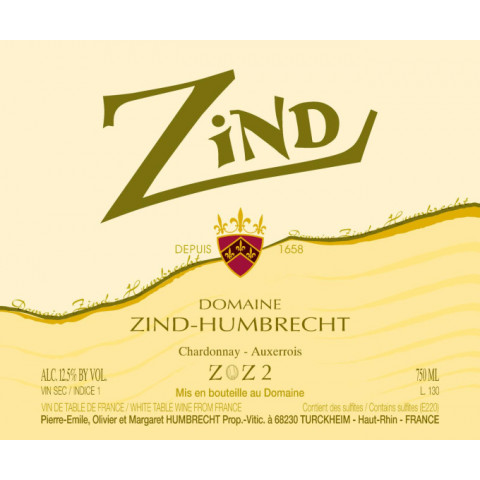
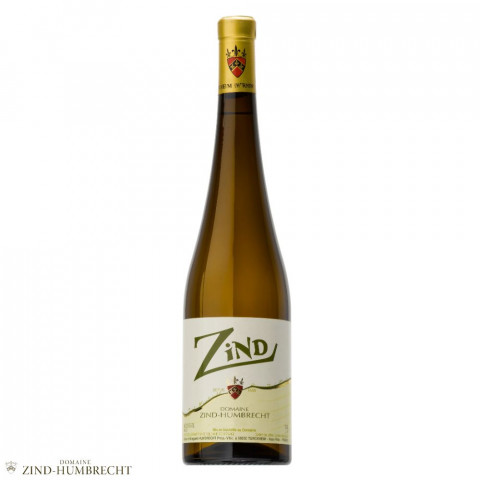
For a straightforward approach and affordable expression of winegrower Olivier Humbrecht’s talent (all things are relative, since many today regard Zind-Humbrecht as the finest domaine wine region of Alsace), you can choose the cuvée "Zind", approachable and already impressive in its fruitiness and minerality, with its blend of the two grape varieties auxerrois and Chardonnay. Designed to be enjoyed within 5 years, Zind is the ideal introduction to the range.
Riesling : If you want to discover the more exceptional side of the domaine Zind-Humbrecht, we can continue with the great classic that is Riesling, more broadly appealing than the other Alsace grape varieties. The finest terroirs are carefully tended by Olivier Humbrecht, who plants the varieties best suited to their geology, drawing on his expertise and the experience inherited from several generations of wide-ranging trials.
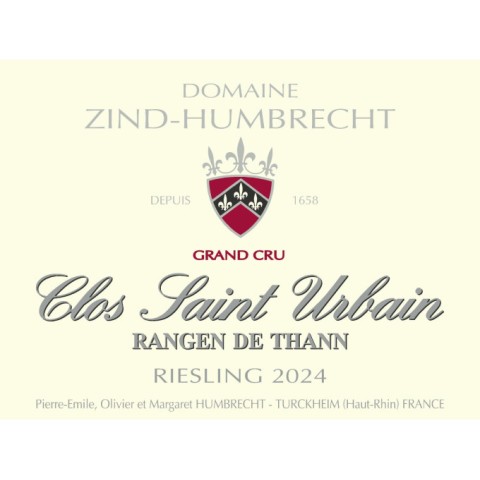
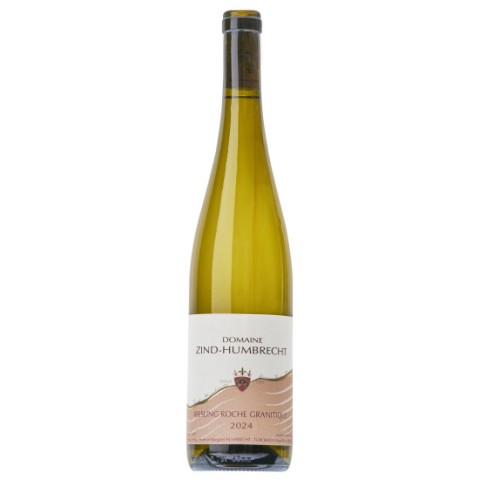
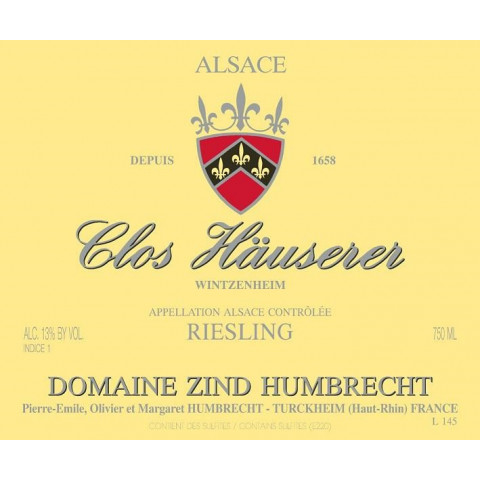
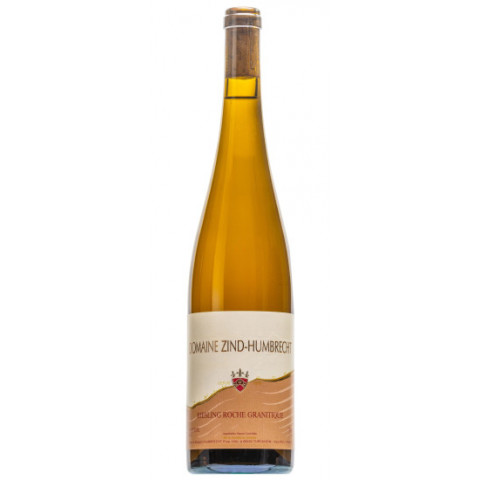
The Rieslings are therefore mineral-driven, with powerful flavors and often built for very long ageing. Start with the simple “Roche Granitique”, then deepen the discovery with the Grands Crus : Brand, Häuserer, Windsbuhl and, of course, the most illustrious of them all, Rangen of Thann.
Pinot Gris, Gewurztraminer : The region’s two other noble white grape varieties are essential to a complete view of Alsace’s elite, particularly in their expressions with varying levels of residual sugar, under the distinctly Alsatian designations "Late Harvest" (VT to those in the know) and "Sélections de Grains Nobles" (or SGN). Pinot Gris and Gewurztraminer are grape varieties more opulent and rounded, less taut than Riesling, yet with Zind-Humbrecht one should never expect the slightest heaviness, with or without residual sugar. Even these grape varieties show impressive freshness, certainly offering pronounced aromatic power and richness on the palate, but always with remarkable balance, whatever the terroir, as each time the winegrower knows exactly which grape variety is perfectly suited to the soil and the climat that prevail there.
For very long cellaring (say 20 years), you can confidently buy the sweet wines or the dry wines from Grand Cru Rangen, for example, with a preference for Riesling, whose acidity ensures longevity.
The other grands crus can be cellared for 10 to 20 years, developing over time the famed, highly sought-after petrol notes that emerge in Riesling. Here again, Pinot Gris and Gewurztraminers will be more expressive in their youth, and their longevity will struggle to rival that of great Riesling.
The cuvées blends (Zind) or those from terroirs not classified as grand cru (granitic rock) offer an excellent introduction to Alsace wines within their first 5 years.
All levels of quality can be found in Alsace, from the finest to the poorest. Discovering Alsace through supermarket wines may put a newcomer off for life, whereas choosing an excellent winegrower can spark a passion for the wines of this region. A passion that very often begins with the local gastronomy, as countless Michelin-starred restaurants dot the Alsatian countryside. Alsatian foie gras, for example, is highly renowned, and when paired with a VT or SGN, it is truly sublime. Local food and wine pairings are also much sought after—frogs’ legs or choucroute, for instance—but also certain spicy dishes with which Pinot Gris pairs perfectly, or even genuinely exotic cuisine with Gewurztraminer.
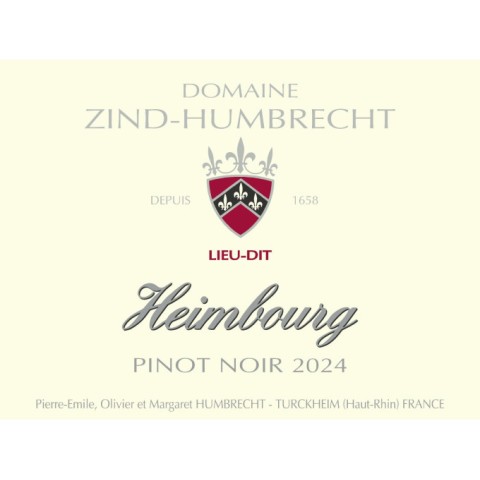
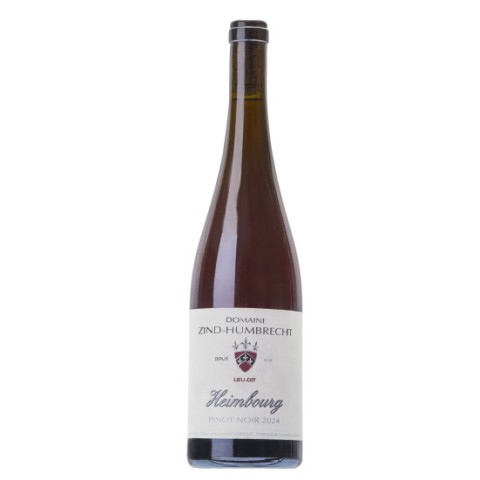
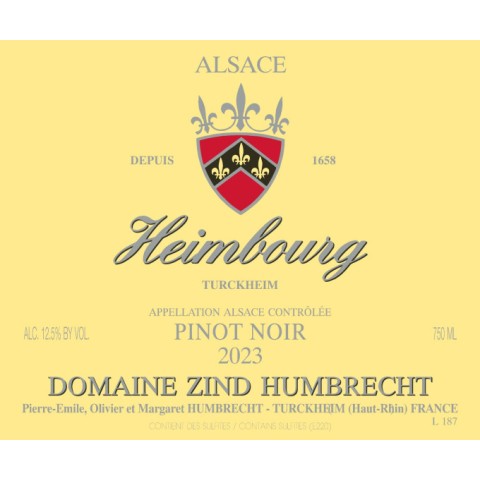
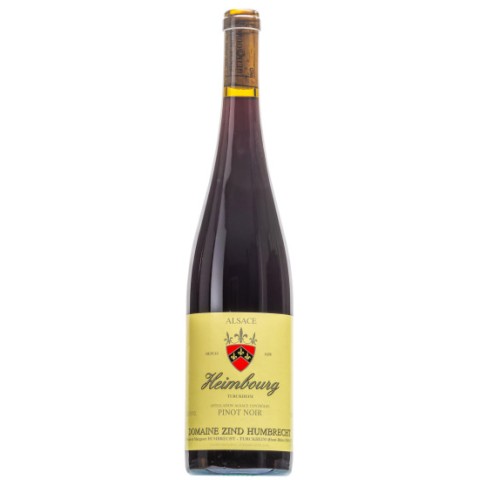
Alsace red wine has also begun to emerge since Pinot Noirs from Bourgogne have seen their prices soar in recent years. As a result, lovers of this grape variety are discovering superb Pinot Noirs in the Loire and Alsace: it is in the lieu-dit Heimbourg, located in Turkheim, that the domaine Zind-Humbrecht produces its sole Pinot Noir, an Alsace red wine of exceptional vibrancy, purity and complexity, which a few years in the cellar refine beautifully. It is unfortunately very rare, yet remains reasonably priced given its quality.
Without hesitation, the oldest available, and if possible accompanied by a good meal! Outside the cuvées Zind and Roche Granitique, all the other wines from the domaine deserve to age, as they become ever more refined over the years, notably with the gradual re-emergence of that minerality and salinity so exceptional and sought-after in Alsace when the wine is purchased in a domaine leading, such as Zind-Humbrecht.
The wines of domaine Zind-Humbrecht wines are unique. They stand apart from other great Alsace wines in three key ways:
The terroirs owned by the family, in some cases since 1620, are all identified and vinified separately. They are sometimes unique, such as Clos Saint-Urbain in the Rangen Grand Cru, where volcanic rock brings exceptional minerality to the wine. Elsewhere, singular limestone soils, as at Clos Windsbuhl, or the altitude of certain parcels and their due-south exposure, which allows perfectly ripe grapes to be obtained (Sommerberg), or certain particularly wind-exposed lieux-dits (vallée du Munster), which dry out the slightest moisture and prevent disease without the need for chemical treatments. In short, unique terroirs, mastered to perfection through experience measured in centuries.
Most of the wines from the domaine display exceptional mineral character, a highly sought-after quality, though not always found :-)
It is a quality that cannot be created artificially; it is the result of the quality of the terroir, but also of an entire farming philosophy that has been in place for decades. It is respect for the soil, and of course for the vines that grow there. Minerality has no aroma; it is found on the palate, particularly on the finish, with its ability to make the mouth water. According to the winegrowers, this “magical” hallmark of Zind-Humbrecht wines—alongside control of alcohol levels, the great concentration achieved through low yields, and skilful ageing—comes from the biodynamic practices followed for more than two decades.
Optimising respect for the terroir, enabling the vines, with their long roots, to draw mineral salts up from the depths—the winegrower attributes all of this to the adoption of biodynamics many years ago. There can be no mineral uptake without microbial life in the soil. Plants must be able to absorb the richness of the soils under the right conditions; overly compacted soil, for example, will limit mineral uptake. In short, the “religion” of biodynamics is here a genuine science, where each sound practice is tested and justified, ultimately validated by the result in the glass.
The direct result of respect for the soils and the highly mineral character of the wines (whatever the grape variety concerned) is the great longevity of the cuvées from the greatest terroirs. It is no surprise to find in the famous oenothèque of the domaine wines from the 1990s that still “taste” young, and not merely sweet. There are also great dry Rieslings from terroirs classified as “grand cru” that have weathered the years perfectly, developing unique aromas and flavors that only time can bring.
It is preferable to open red or white wines from the domaine Zind Humbrecht in advance, at least half an hour beforehand. Decanting will depend on the vintage, but it is not essential—only preferable for very young vintages.
- The Riesling dry is best enjoyed at around 8-10°C and classic pairings include seafood, the fish in sauce, as well as sauerkraut and poultry
- The Pinot Gris dry, with more aromas exuberant, can be enjoyed slightly warmer (10-12°C). It pairs easily with poultry, sauced dishes, game, choucroute and asparagus.
- The Gewurztraminer dry (or demi-sec, as it can sometimes be naturally opulent) is also best enjoyed at around the 10-12 °C and pairs with foie gras, a spicy dish, strong local cheeses such as Munster, with or without cumin, and fruit-based desserts (mirabelle plum, apricots).
- the pinot noir (red wine) is vinified to remain light and delicate. It is best served at around 14°C and will delicately accompany the red meat light dishes, duck, charcuterie, roast poultry and soft cheeses.
Sweet wines can also be enjoyed at around 10–12°C, or even slightly warmer, to appreciate their complexity. They pair well with foie gras, certain oily fish and other dishes with gentle spices, blue-veined cheeses, and finally a dessert with candied fruit or citrus.
- serve too cold
- serve immediately after opening the bottle, while the wine has not been aerated at all
- in flared glasses, which do not allow the aromas to be fully appreciated
- serve too young if opening a large bottle with fine ageing potential
1959 – The family has been winegrowers since 1620, but it was in 1959 that the true Domaine Zind-Humbrecht was formed through the merger of the two winegrowing families, Zind and Humbrecht.
1970 – No more pre-filtration of the wines; ageing on fine lees until bottling.
1977-78 – Acquisition of Clos Saint Urbain at Rangen de Thann and other plots (Hengst, Brand and Heimbourg)
1981 – Innovation in Alsace: Installation of a temperature-control system in the large oak casks.
1983–87 – Acquisition of Clos Jebsal and Windsbuhl
1989 – Arrival of Olivier and Margaret Humbrecht following in the footsteps of Léonard and Geneviève Humbrecht.
1990s - Pressing times became longer. A revolution in the vineyard: trellising was introduced and the leaf canopy increased; the wines were no longer fined or chaptalised, and were aged for longer before bottling.
1998 – certification BIO, first trials in biodynamics and an increase in pressing time
2001 – Abandonment of hedging and wrapping shoots around the trellising to encourage the natural shedding of the growing tips.
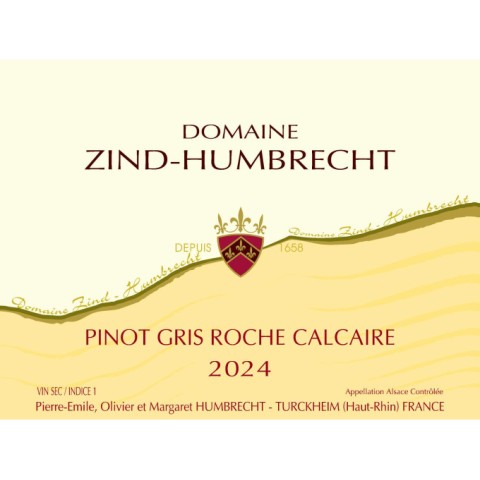
2002 – Introduction of wine sweetness expression indicators. A scale from 1 to 5 shown on the labels
2002 – Certification Biodyvin. Horse-drawn ploughing.
2019 - Pierre-Emile Humbrecht begins working on the domaine family estate and continue the family adventure begun in 1620
The domaine is now one of the leading ambassadors for Alsace wines in France and internationally.
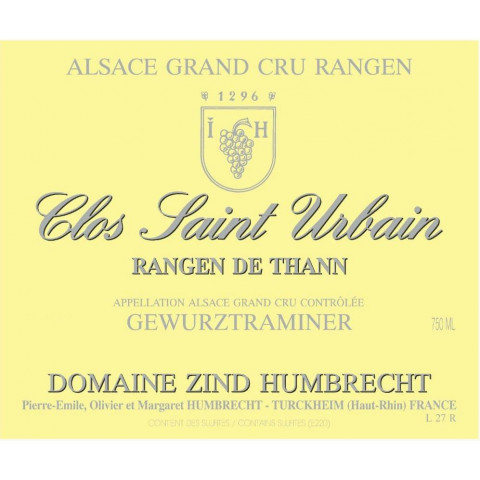
Rangen, Grand Cru de Thann (volcanic, very steep)
Sommerberg, Grand Cru of Niedermorschwihr (very warm climat)
Brand, Grand Cru de Turkheim (warm and early-ripening, due south, aromatic and powerful)
Hengst, Grand Cru de Wintzenheim (south-east-facing calcareous marl, powerful, tannic, excellent ageing potential)
Goldert, Grand Cru de Gueberschwihr (limestone, fine acidity for cellaring)
Wineck Schlossberg Grand Cru in Katzenthal (granite, south/southeast-facing)
The Grands Crus in Alsace are delimited according to their soil, subsoil, and other natural factors, notably the prevailing weather conditions (winds, sunshine, aspect, altitude, etc.). They are highly respected and sometimes extremely challenging to work, with slopes reaching up to 45 degrees.
Other lieux-dits of exceptional quality were made famous by the domaine Zind-Humbrecht, even though they are not classified as Grand Cru
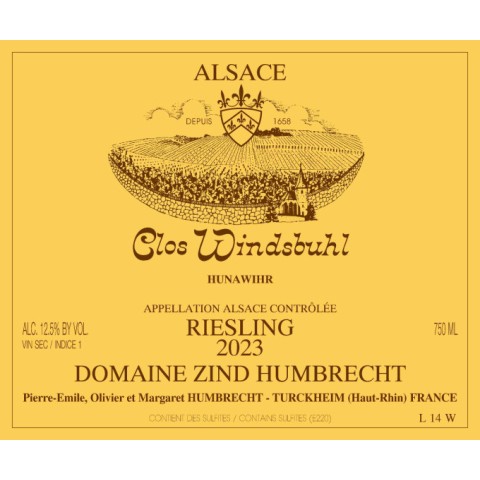
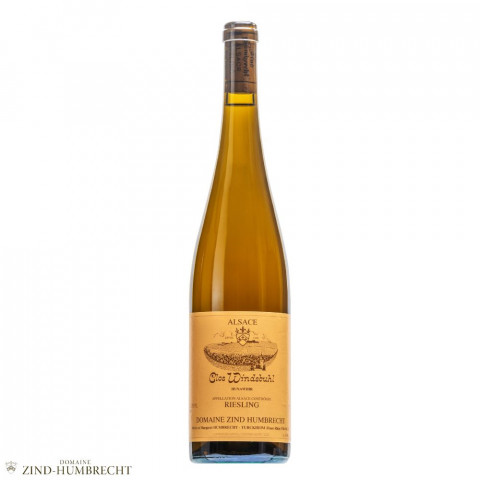
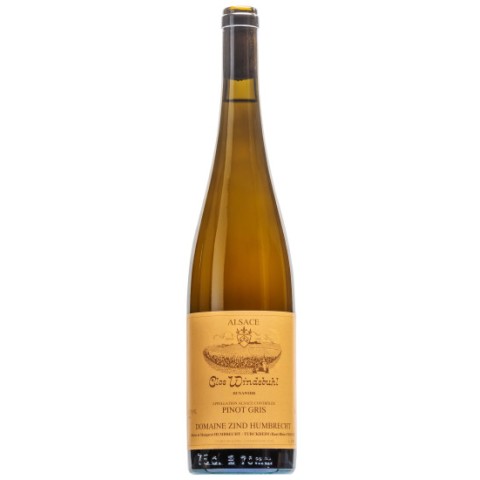
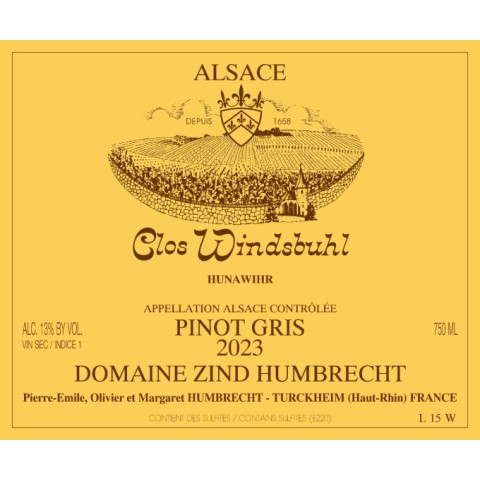
Le Clos Windsbuhl de Hunawihr
Le Heimbourg de Turckheim
Le Clos Jebsal de Turckheim
The Herrenweg de Turckheim
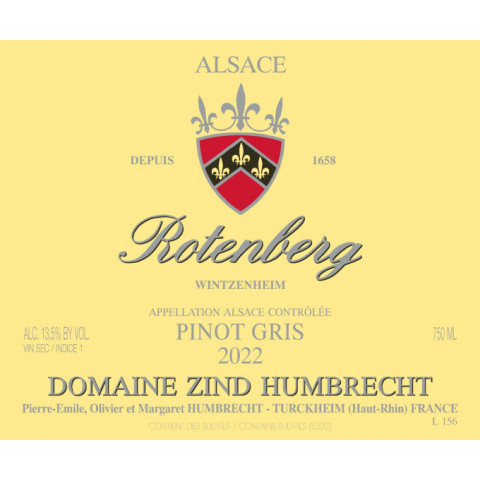
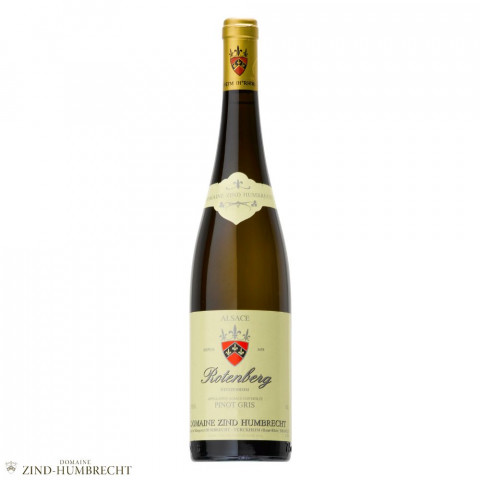
Le Rotenberg de Wintzenheim
Le Clos Häuserer from Wintzenheim
The vintage matters in Alsace, as some wines are more or less sun-kissed, with varying levels of residual sugar for the same cuvée two vintages apart. This is why the domaine For over 20 years, Zind-Humbrech has used a sweetness index (from 1 to 5), allowing tasters to have a good idea of what to expect before opening the bottle. Depending on the conditions of the vintage, certain parcels may be selected to produce a "Vendanges Tardives" or "Sélection de Grains Nobles" when the grapes are particularly suited to it that year (but not necessarily another).
the Domaine ZIND-HUMBRECHT keeps a considerable number of bottles in its wine library, as it produces an equally considerable number of cuvées. . Availability varies depending on the year and the stocks still available at domaine, but winegrowers can sometimes accommodate even the most unusual requests. On our end, we also try to keep several cuvées across complementary vintages to satisfy even the most discerning enthusiasts.
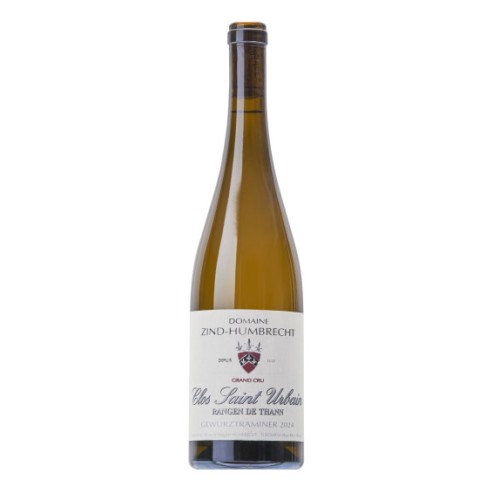
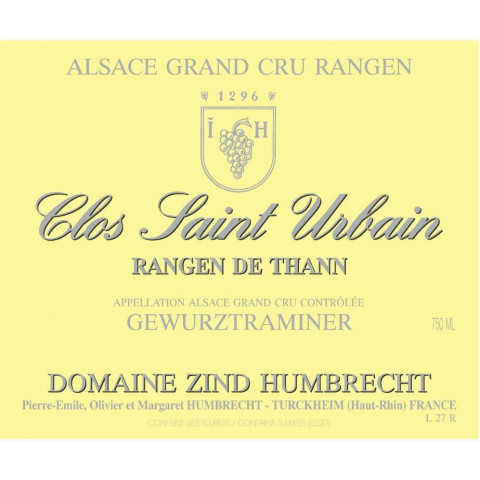
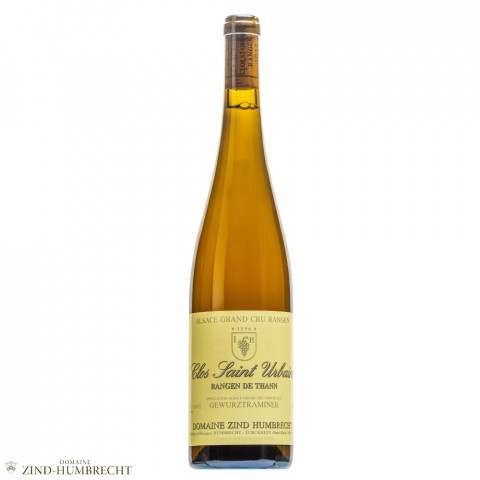
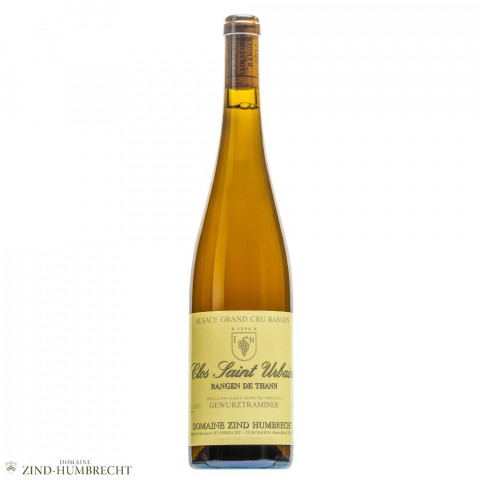
Certain plots, renowned the world over, can be compared with Burgundy Grands Crus such as Romanée Saint Vivant or Richebourg. Indeed, less than one hectare in production to satisfy collectors and tasters around the globe is not much. And yet, a bottle of Clos Saint Urbain Grand Cru Rangen, for example, is a monument instantly recognised by discerning enthusiasts. In fact, it is almost good value for a bottle of this stature, with such ageing potential !
Olivier Humbrecht's personality also explains the goodwill of the aficionados with Zind-Humbrecht. He is the first Frenchman to have earned the highly coveted title of "Master of Wine" : not only is Olivier Humbrecht a fount of knowledge, he is also remarkably approachable and down-to-earth. In short, everyone adores him and values the moments when he shares his boundless expertise: when he speaks of it, he turns every bottle into a testament to the fruit of years of experience, investment and savoir-faire.
We love these wines, and we know they deserve a place in your cellar! But as some customers have told us, "we are not objective, since we have tasted and selected them to sell: we have a vested interest. This is why we prefer to “support” our selection with reviews from leading guides, more objective than we are:
Guide RVF to the Best Wines of France 2026: 4★/4 "Tireless ambassador for his wines and the region, Olivier Humbrecht, the first Frenchman to hold the Master of Wine title, has long understood the importance of work in the vineyard. He converted the domaine to biodynamics in 1999, and is one of its finest ambassadors, while also serving as president of the Biodyvin label. This approach to farming has enabled him to move away from botrytis and reduce alcohol levels. The wines have evolved over the years and now assert a decidedly dry style, with large foudres refining them several metres underground. Like all great Alsace wines, they reach their full expression after several years, or even decades, of cellaring. Clos Windsbuhl is essential, and Rangen de Thann asserts itself over time. Pierre-Emile, Olivier’s son, joined the domaine in 2019. The excellence of this production, respected by all, has earned this iconic estate a place in the pantheon of our guide.
Guide Bettane + Desseauve: 5★/5. This domaine has embodied for several decades an ideal of the absolute in great terroir wine. Léonard Humbrecht showed remarkable vision in acquiring superbly situated parcels on the Rangen, the clos Windsbulh, the clos Jebsal, the Brand and the Hengst. His son Olivier brings the expression of the subsoil to magnificent heights, with incredible intensity and power. Farmed biodynamically since the late 1990s.
If you enjoy Olivier Humbrecht’s wines, the other great names of Alsace are sure to delight you: Jean Boxler (domaine Albert Boxler), , domaine Muré, , famille TrapetAnd domaine Achillée.
+ Voir plus
- Voir moins
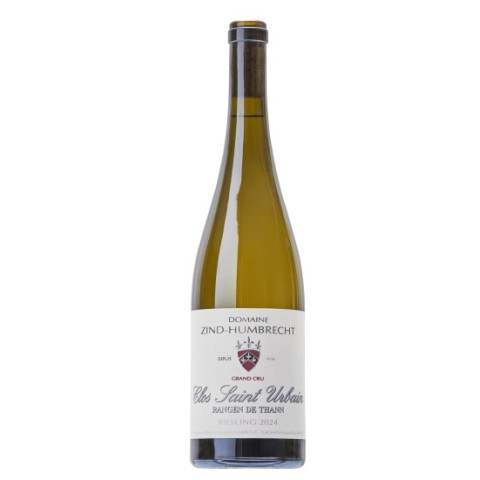
€115.00 / bouteille
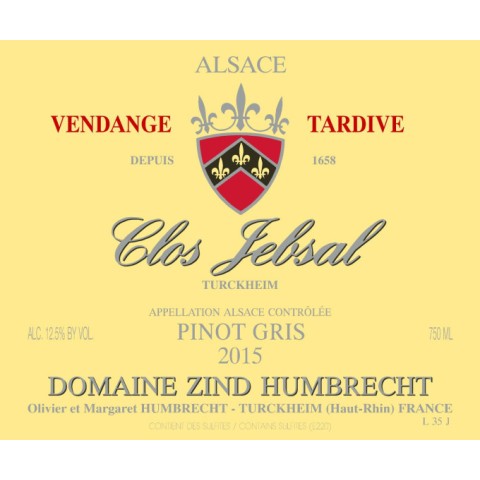
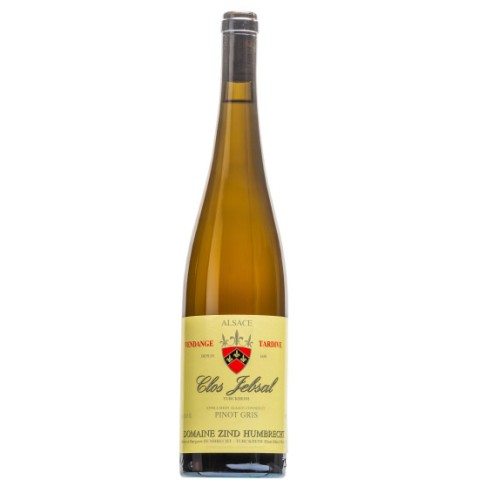
€69.00 / bouteille
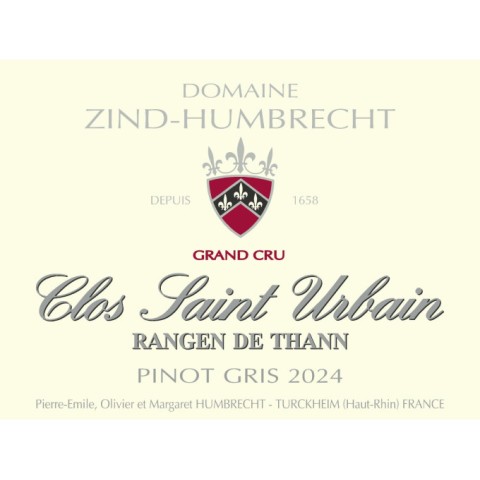
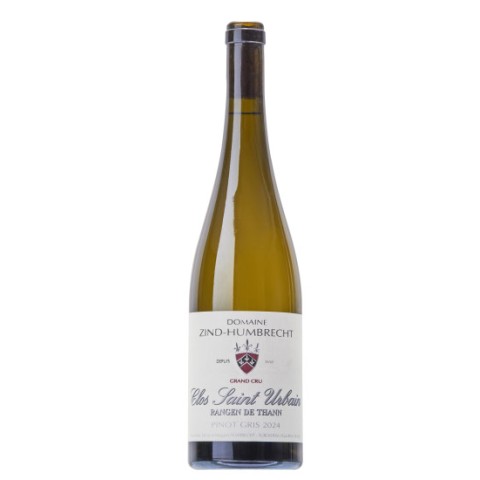
€103.00 / bouteille
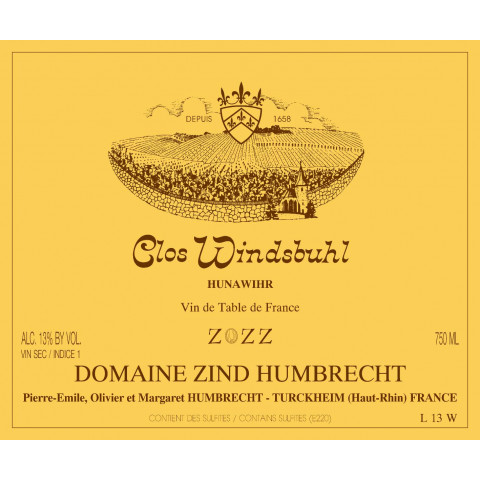
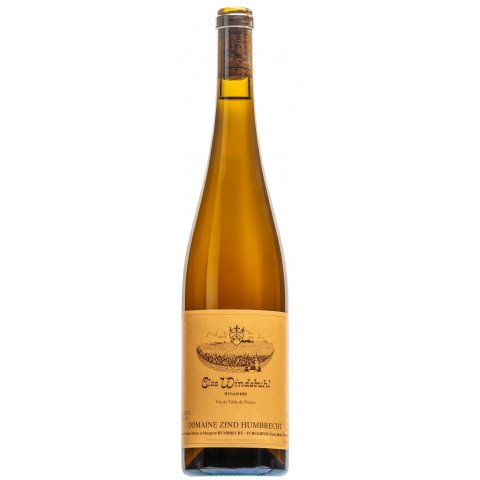
€45.00 / bouteille
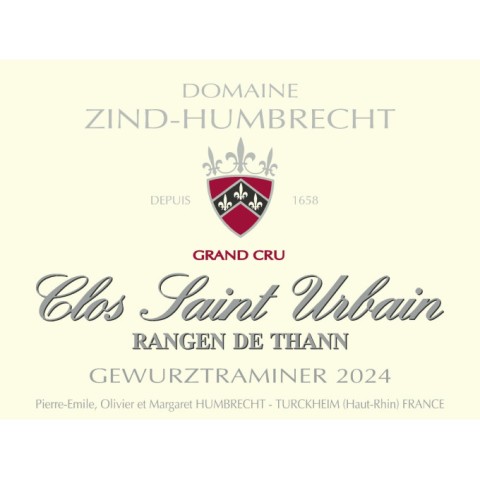
€103.50 / bouteille
€115.00 / bouteille
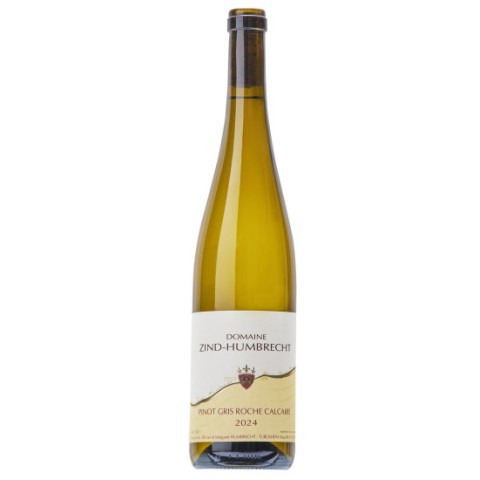
€29.00 / bouteille
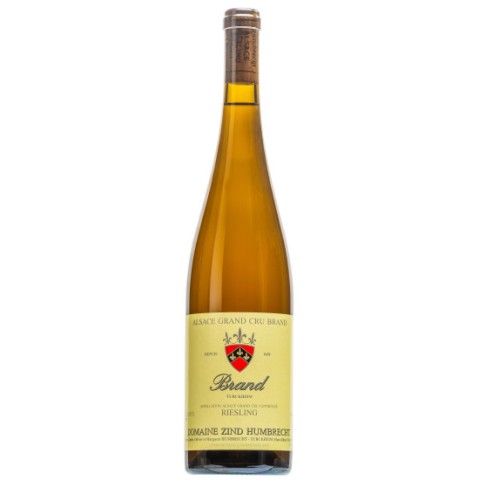
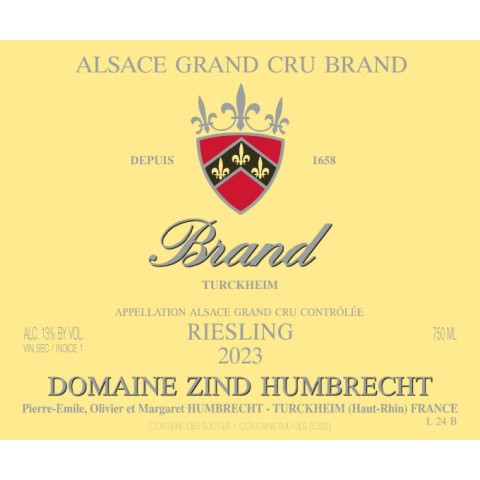
€97.00 / bouteille


€99.00 / bouteille
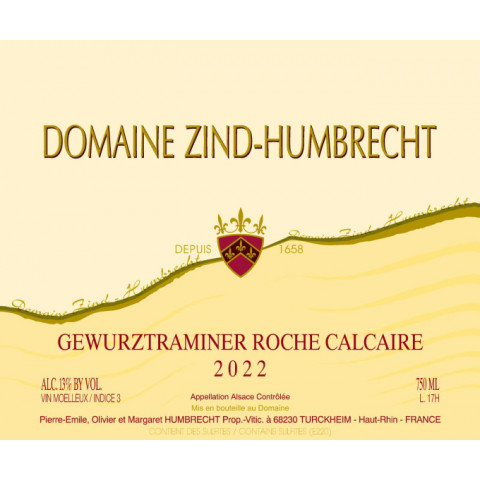
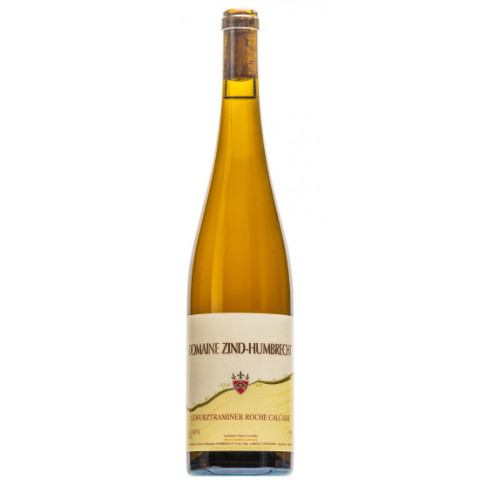
€29.00 / bouteille
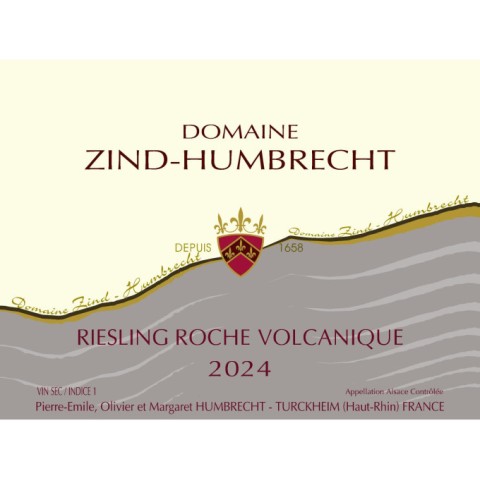
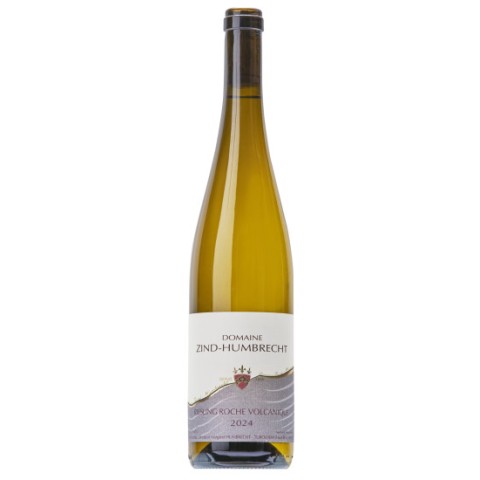
€29.00 / bouteille
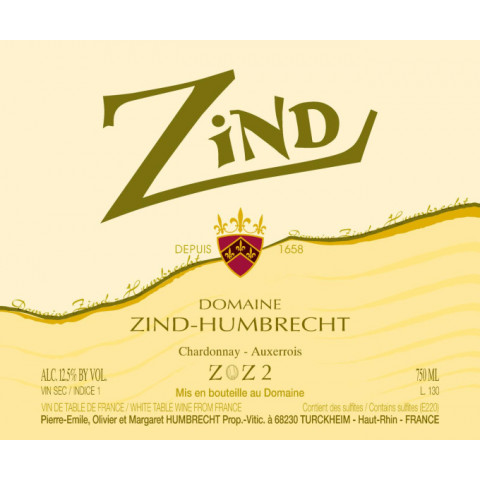
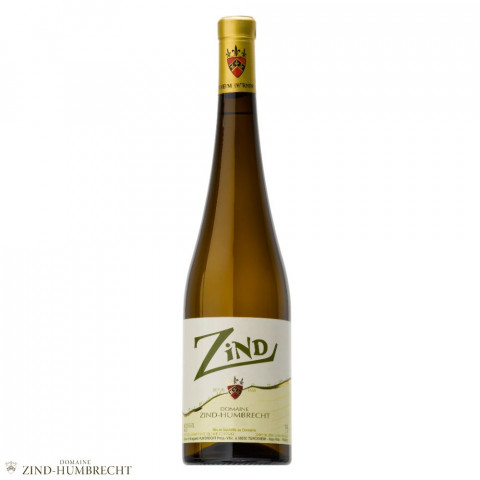
€31.00 / bouteille
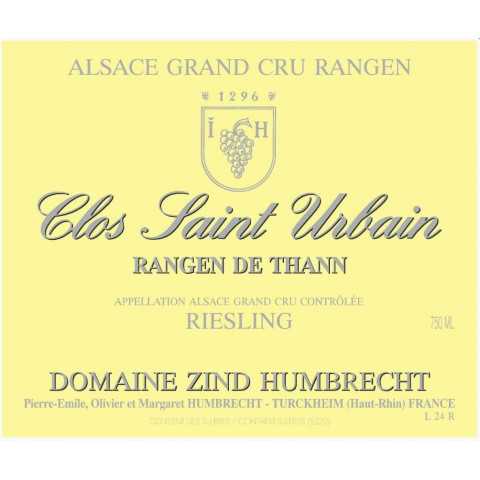
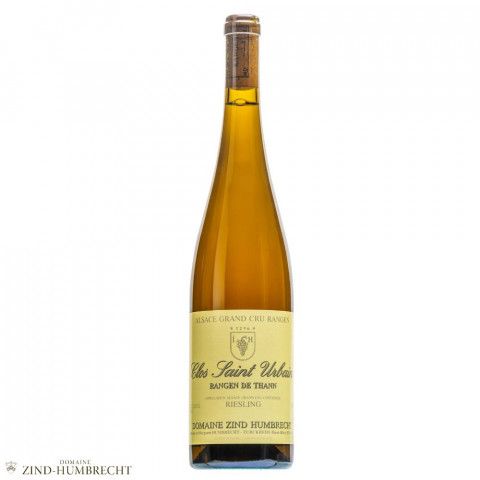
€115.00 / bouteille
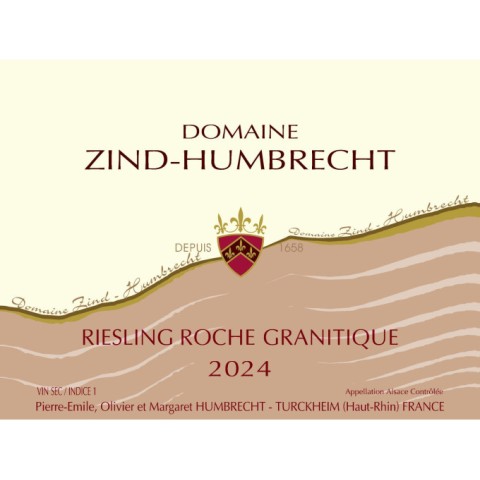
€29.00 / bouteille
€31.00 / bouteille
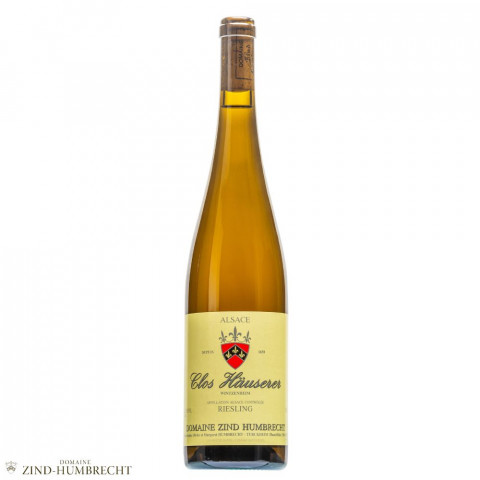
€64.00 / bouteille
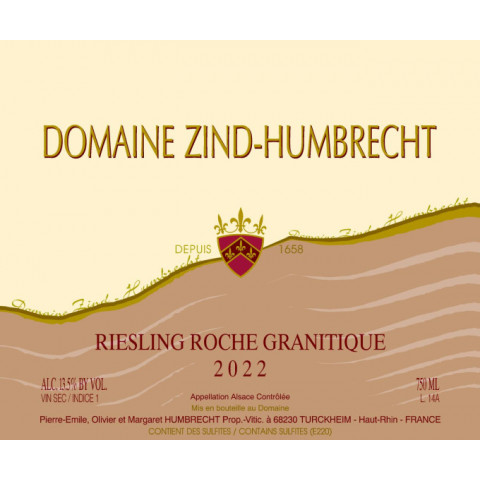
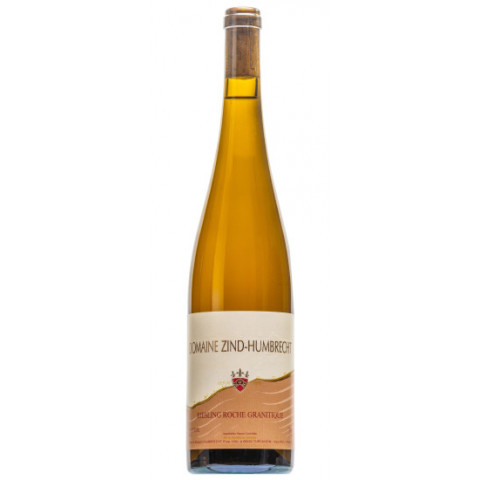
€30.00 / bouteille
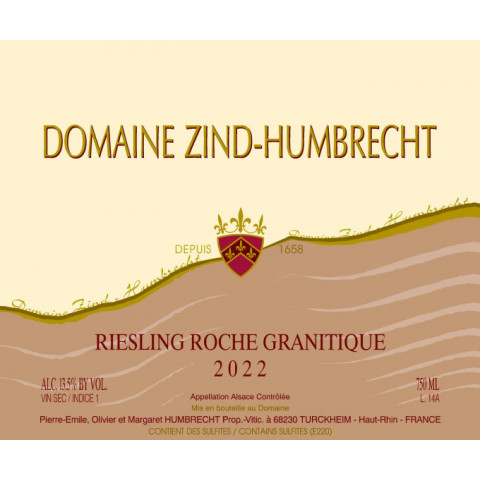
€30.50 / bouteille
€57.00 / bouteille
€53.00 / bouteille
€60.00 / bouteille
€89.00 / bouteille
€74.00 / bouteille
€115.00 / bouteille